18 July 2026 · 6 min read
Sydney's Northern Beaches, off-season
Sydney's most familiar coast is better in winter: offshore westerlies, empty sand from Manly to Palm Beach, and whales moving past the headlands. The case for going now.
The wind is the first thing you notice. Some time in June the sea breeze that runs all summer gives up, and a westerly starts coming down off the land before dawn, cold and dry, holding the swell up and combing it clean. The surfers know exactly what it means. Everyone else just knows the beach is suddenly, strangely empty.
This is coastline the whole country knows by sight: the run of ocean beaches from Manly up to the lighthouse at Barrenjoey, photographed to the point of wallpaper, jammed solid from Boxing Day to Australia Day. Winter hands it back. The same sand, the same headlands, the same improbable geography of a city suburb ending in surf, with almost nobody on it. On a clear weekday between now and September you can walk a beach here and count the other people on one hand.
The water sits around 16 to 18 degrees in midwinter, which is a real conversation with your nervous system for the first minute and fine after that. Surf patrols run on a season, and midwinter is mostly outside it, so take any beach as unpatrolled until you've checked for yourself. Swim smart: most of the ocean beaches on this coast keep a sea pool at one end, and the sheltered corners and pools are where a winter swim belongs. Not alone, not at dusk, and not where the rip is doing the thinking.
The ferry end: Manly to Freshwater
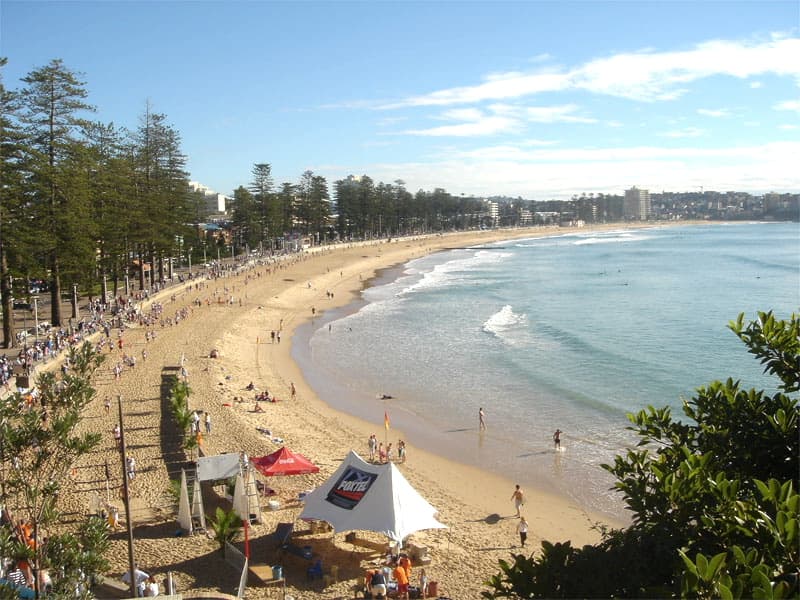
The ferry ride from Circular Quay is the way to start, on the water as visitors have enjoyed for a century. It is a different animal in July, low sun on the water the whole way, the harbour the colour of gunmetal, and at the end of it Manly Beach under its Norfolk pines with room to spare. In summer this is one of the busiest stretches of sand in Australia. On a winter weekday it belongs to the dawn swimmers and the dog walkers on the promenade, and the queue for coffee is a queue of locals.
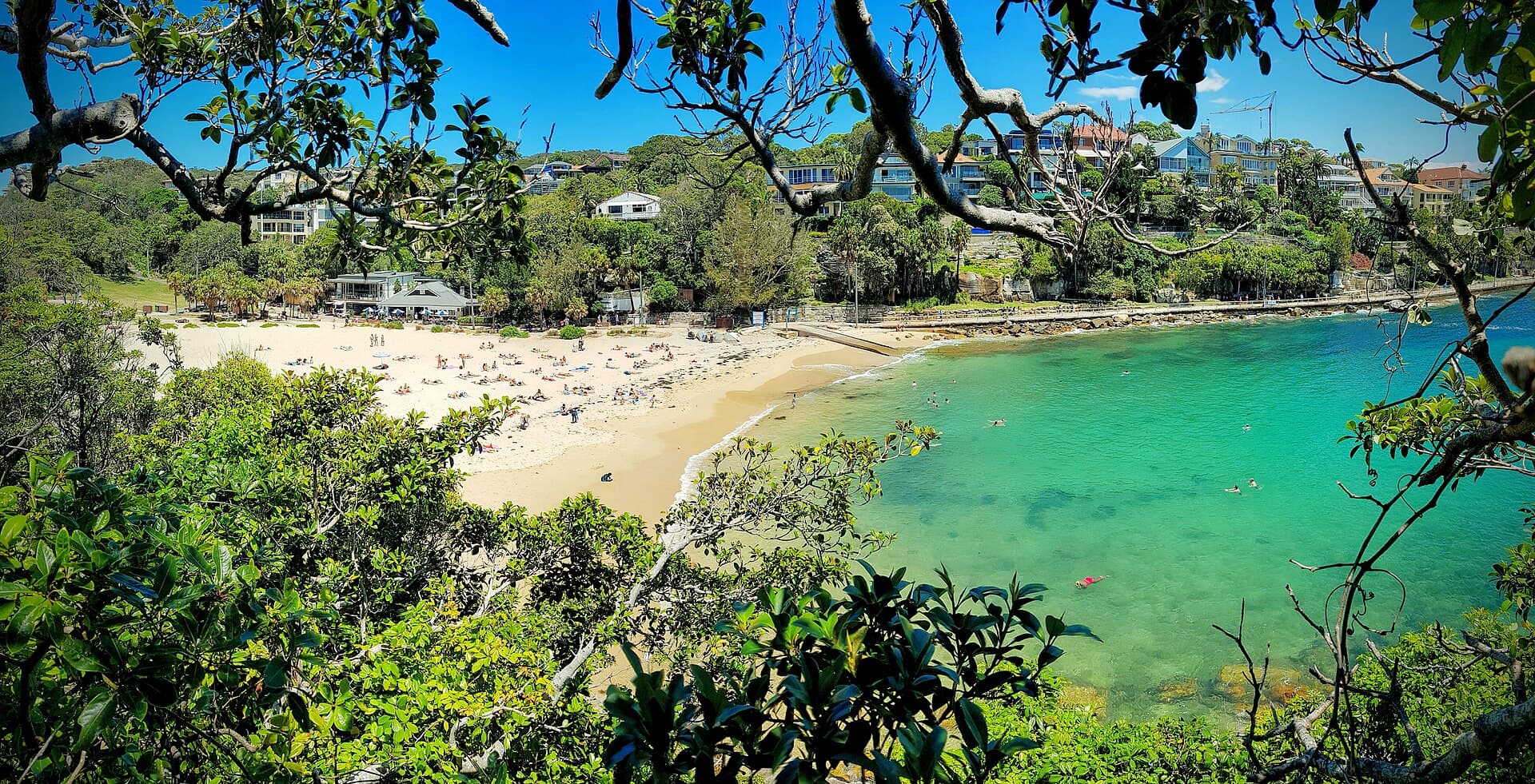
From the south end of Manly, follow the walkway around the rocks to Shelly Beach and Cabbage Tree Bay. The bay is a protected aquatic reserve, and the fish carry themselves like they've read the legislation, big blue groper included. On a still winter morning, with the westerly flattening the surface, the water here can be as clear as it gets all year. You will want a wetsuit, and despite the chill you will not want to leave.
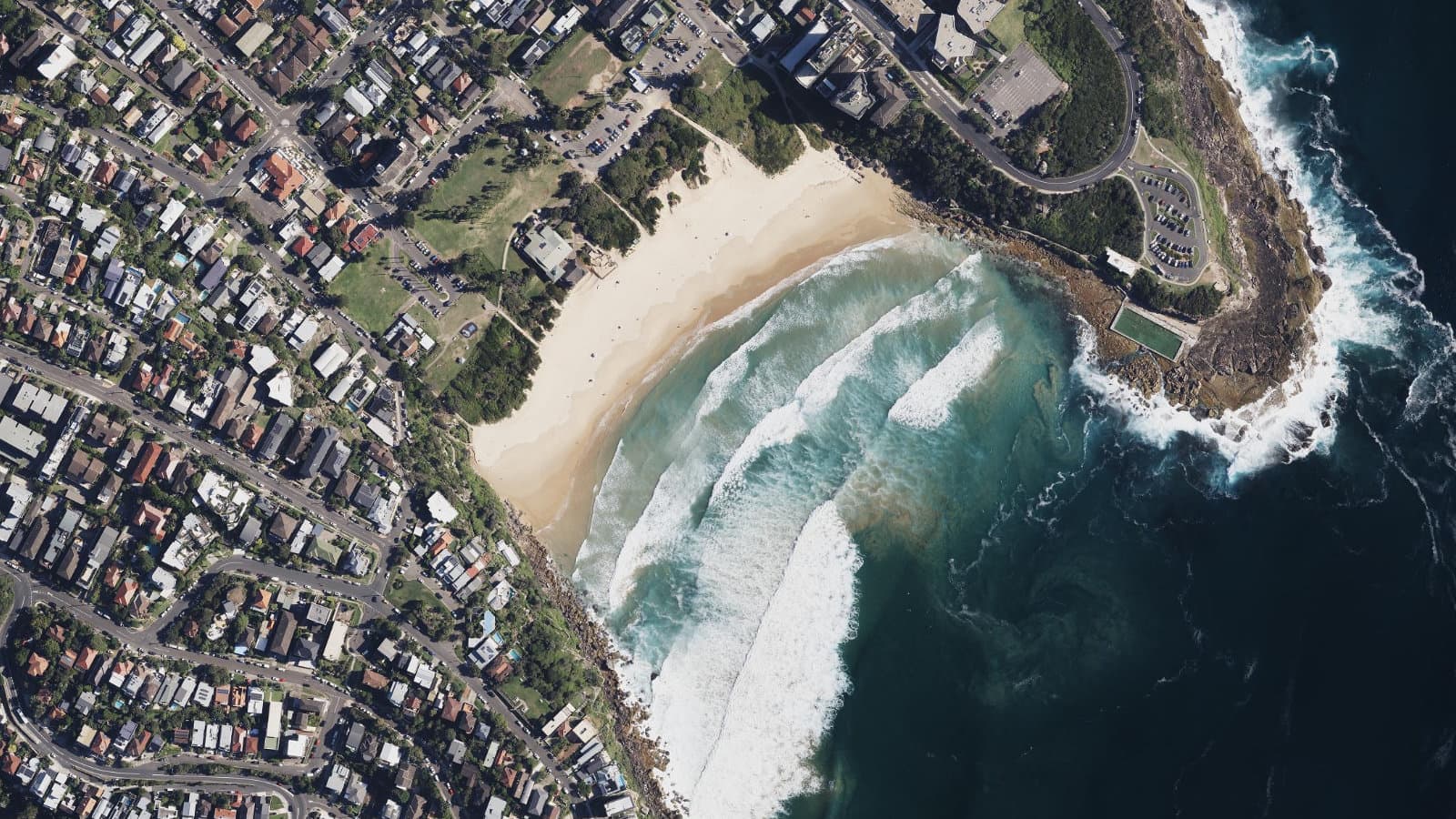
North of the Queenscliff headland the coast resets at Freshwater Beach, a compact bowl of a beach between two arms of rock. This is where Duke Kahanamoku gave Australia its first proper look at surfboard riding in the summer of 1914, and the sport never left. There's a statue of him on the headland, gazing down at a lineup that, in a winter westerly, still does the place credit.
The long middle: Curl Curl to Long Reef
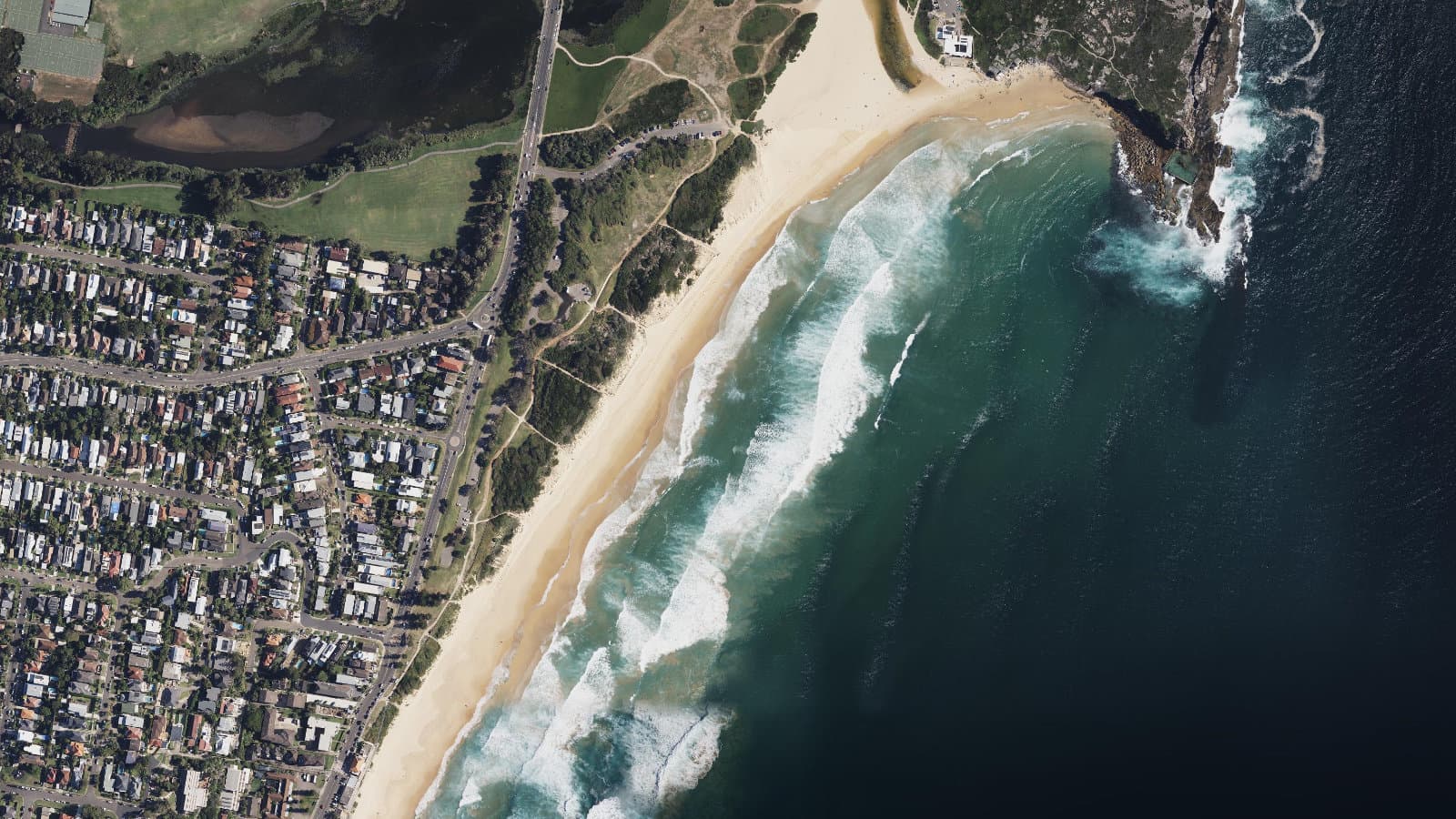
Over the hill, Curl Curl Beach opens out into the kind of wide, dune-backed sweep that swallows a crowd in summer and looks magnificently deserted without one. This is walking country in July: hard sand at low tide, spray coming off the back of the waves, the beach ahead of you bending away to its far headland.
Where the peninsula kinks, the coast gathers itself into Long Reef Beach and the broad green headland above it. The bluff at Long Reef is one of the better whale perches on this coast, and July is the season: humpbacks moving north, often close enough to follow with the naked eye, blowing white against a dark sea. At low tide the rock platform below stretches out like a spare landscape, and you can spend an hour out there among the pools and the gulls and see no one at all.
Lagoon country: Narrabeen to Bungan
Narrabeen Beach is the longest stretch of sand on the peninsula, with the lagoon lying quiet behind it, and it comes with the odd distinction of being the Sydney beach the Beach Boys namechecked in Surfin' USA. The surf here has pedigree and knows it. In winter the beach runs long and bare, and the walk from one end to the other, westerly at your back, is the best free thing on the northside.
Just north, tucked between two headlands, sits Turimetta Beach, the beach photographers set alarms for. It is short, steep and backed by bush, with no shops, no promenade and no reason to be there except the place itself. Winter is kind to photographers here: sunrise arrives at the civilised hour of seven, and the low light does things to the sandstone that January never manages.
Past Mona Vale the coast keeps a quieter register. Bungan Beach sits below its headland with the bush running almost to the sand, reached on foot down the hill, and it feels a great deal further from a city of five million than it has any right to. If the peninsula has a beach that still belongs to the people who walk down to it, this is the one.
The last act: Bilgola to Barrenjoey
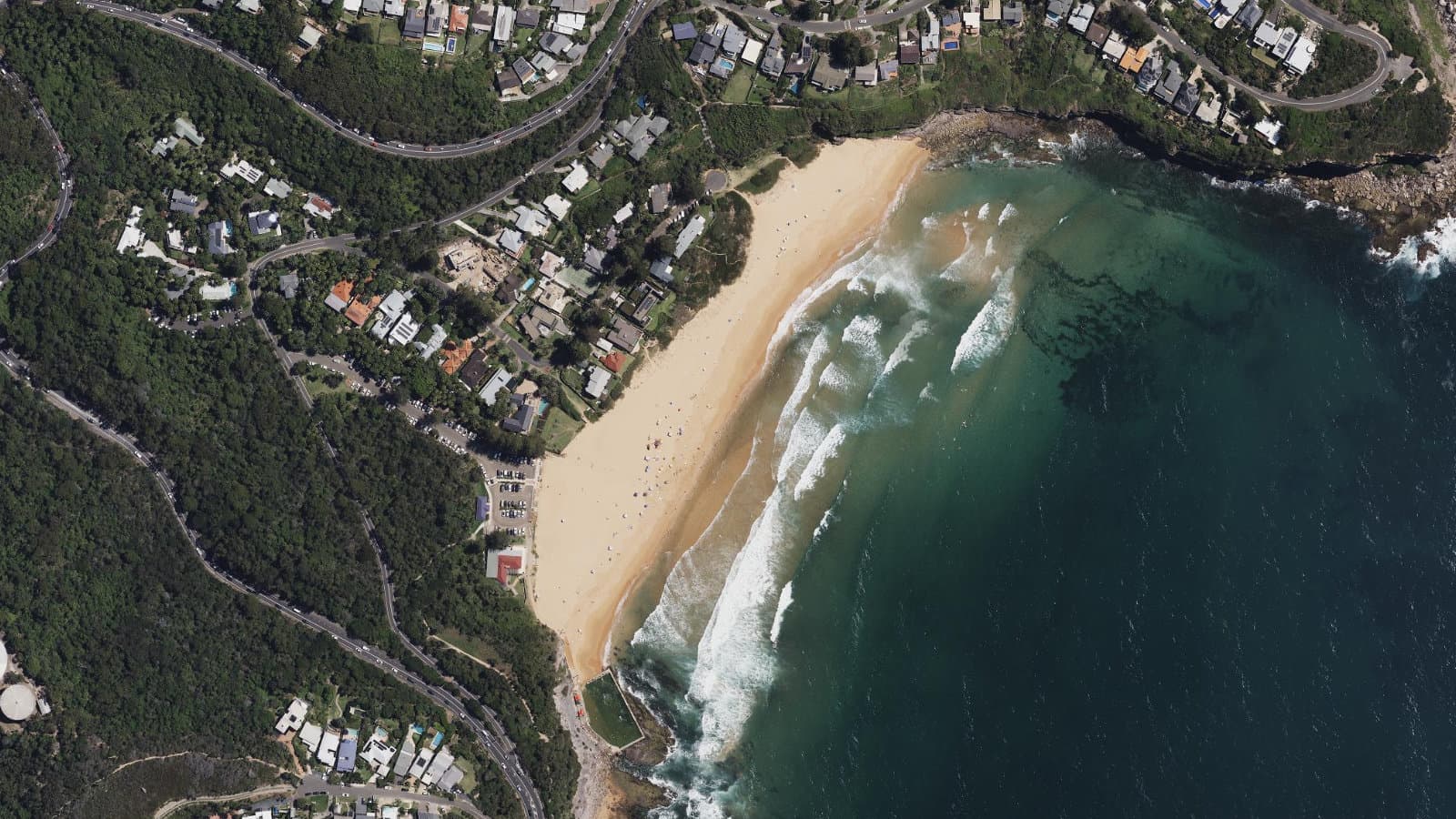
Bilgola Beach hides in a bend of Barrenjoey Road, an amphitheatre of a beach walled in by cabbage tree palms, easy to drive past and better for it. Then comes Whale Beach, the quieter sibling of its famous neighbour, with sand that runs a deep rust orange and a headland at each end to keep the world out.
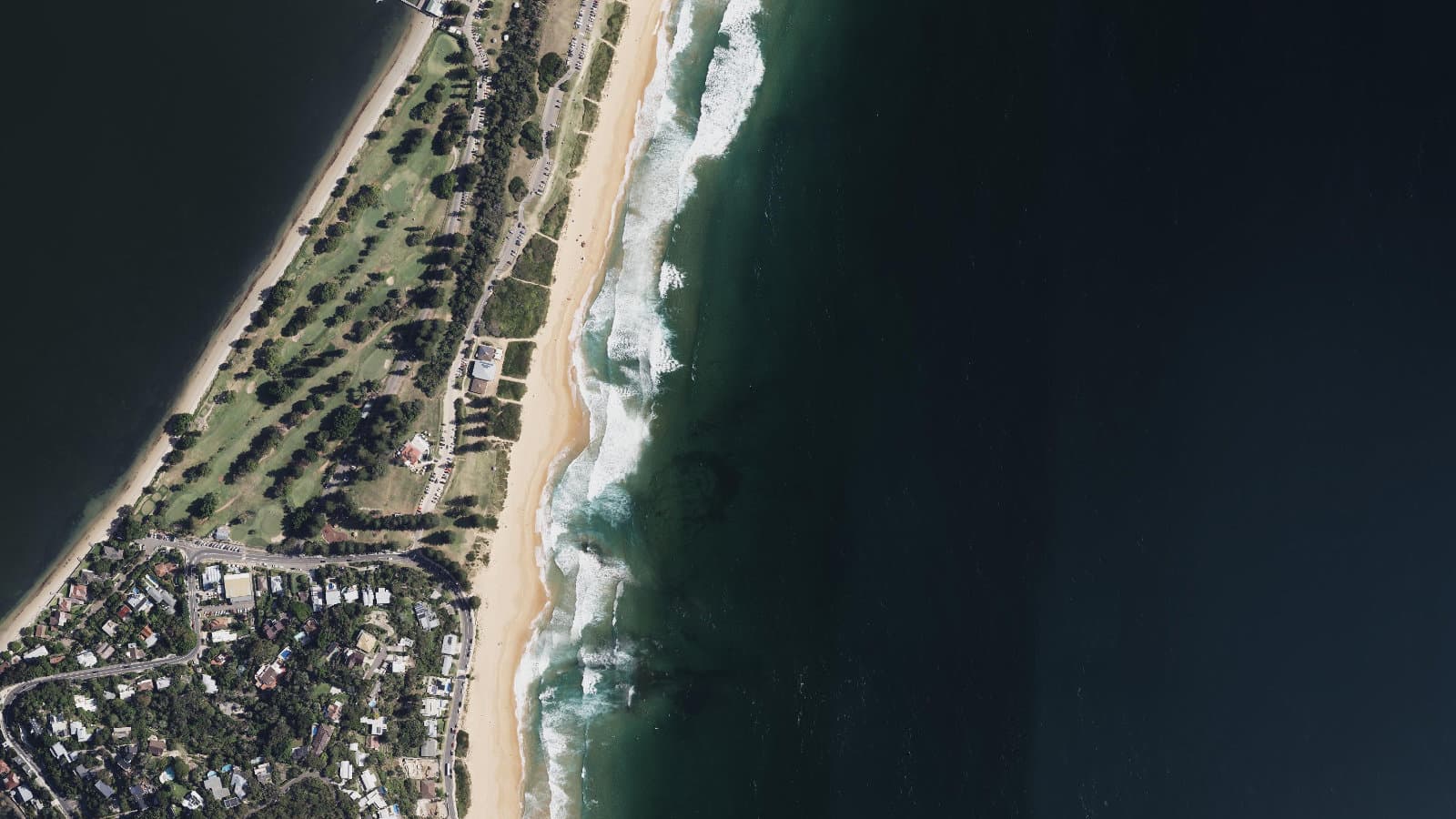
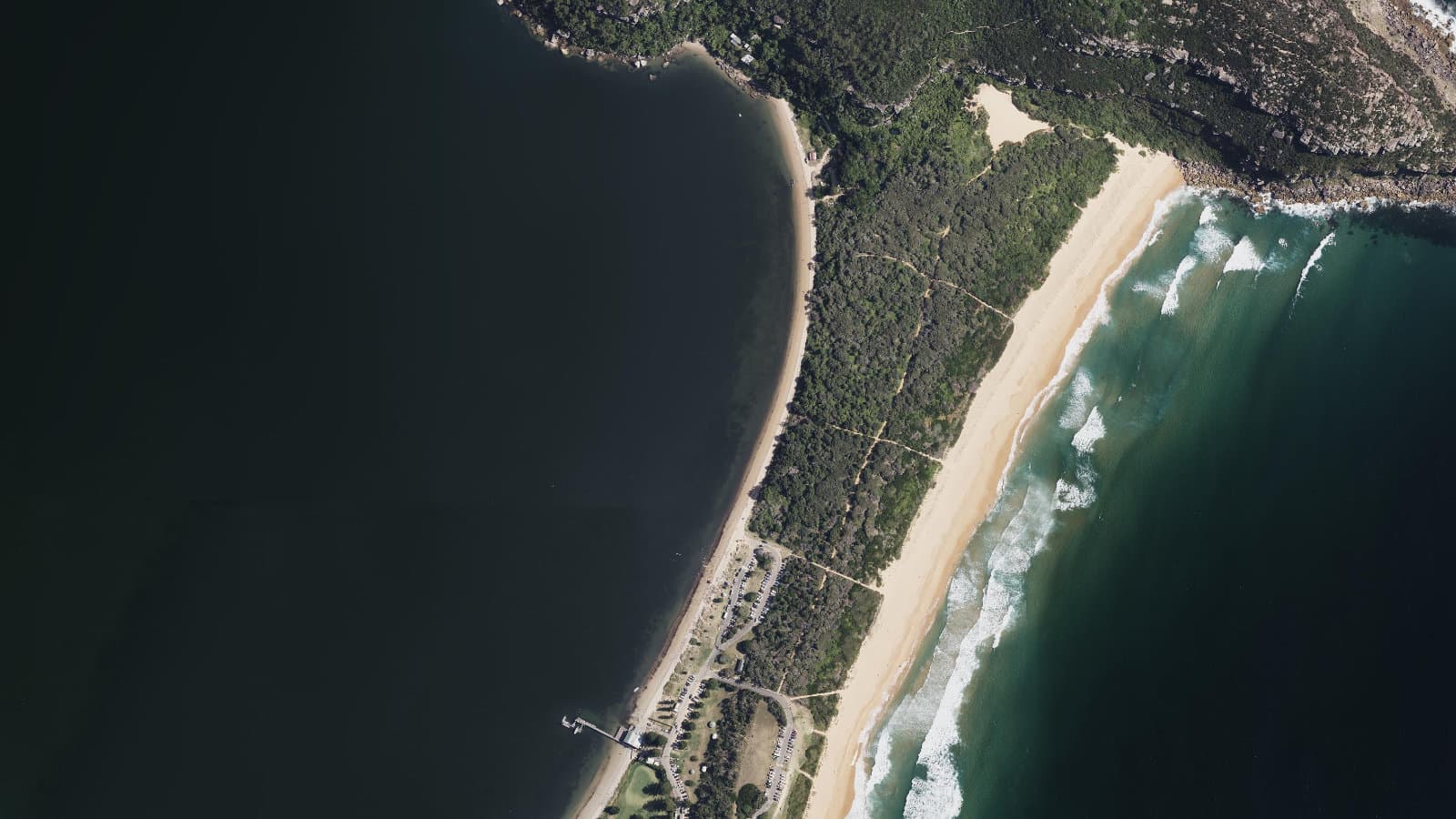
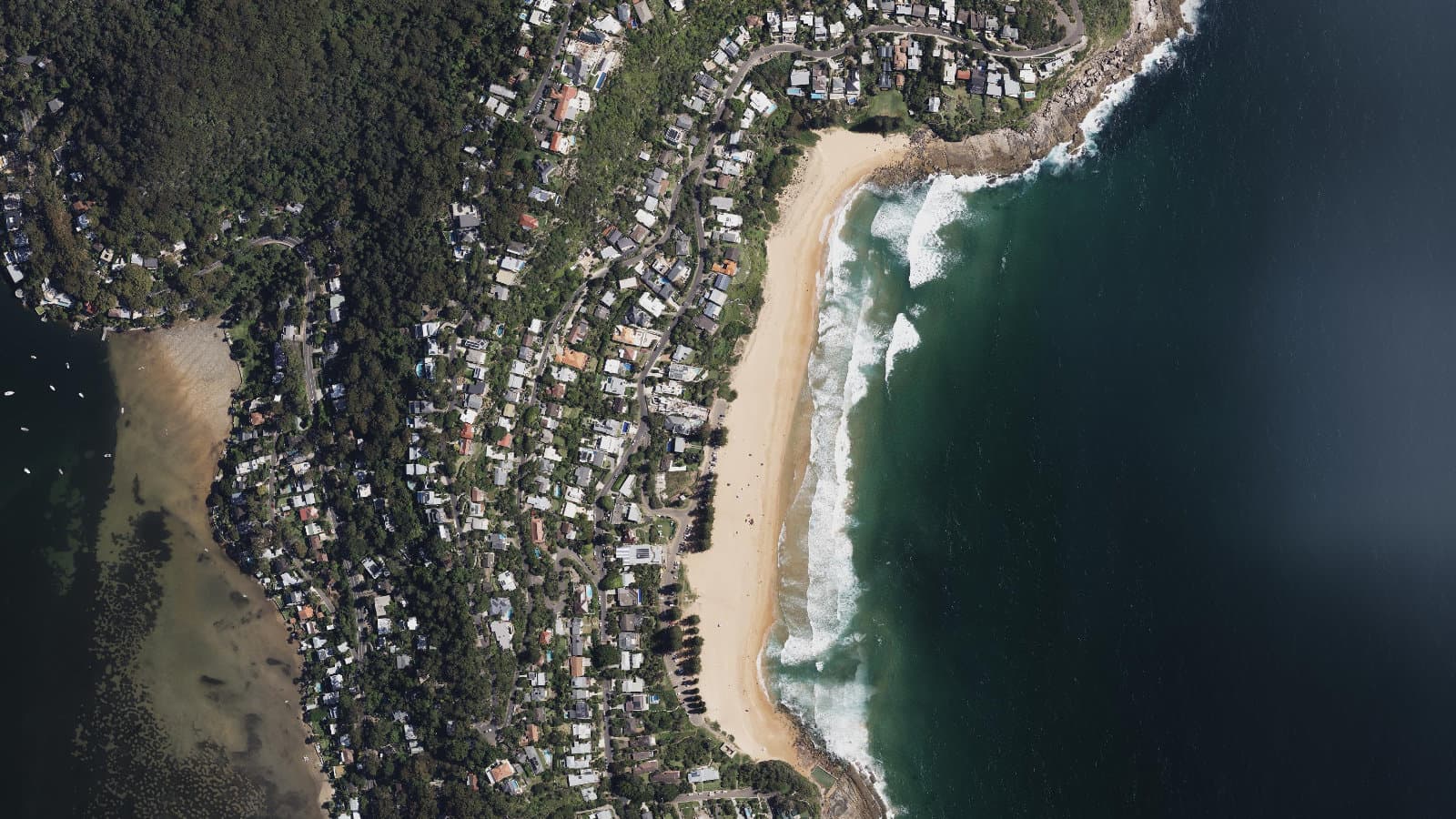
And then the peninsula plays its closing scene. Palm Beach runs north into the long spit that ends at Barrenjoey, the lighthouse standing on its headland like a full stop. In winter the walk up to the light is the point of the trip: the track is cool, the crowds are thin, and from the top the whales pass below on their way north. You may recognise the beach from television. It is better in person, and better again in July. Around on the Pittwater side, Station Beach lies flat and still under the headland, the calm-water option when the ocean side is making noise.
End to end, this whole coast is about an hour of driving when the traffic behaves. Done properly it is a full winter day: ferry over, coffee at Manly, north with the sun low over your shoulder, the lighthouse walk to finish. Plan the drive so the beaches fall in the right order, and check the conditions the night before. Come spring, the whales turn around and so do the crowds. July is the window. Take it.