14 June 2026 · 5 min read
A winter swim on the NSW South Coast
Why the South Coast is at its best in winter: milder sea than you'd expect, no crowds, whales close to shore, and the sheltered bays and pools to swim.
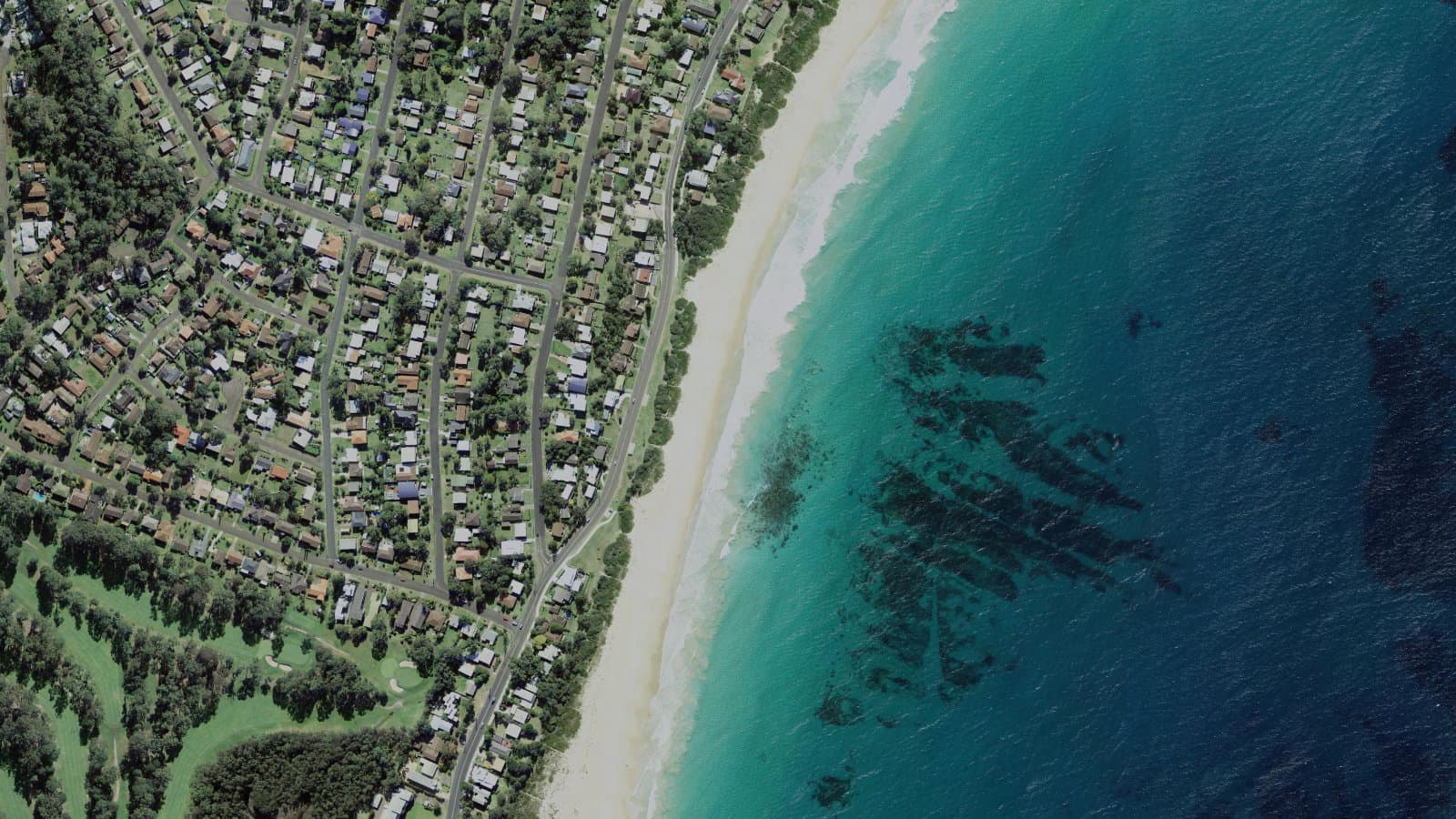
There's a thing the sea does on the South Coast in July that it never quite manages in January. The light comes in low and clean off the water, the car parks are empty, and the colour goes a deep cold blue that summer haze always blurs. You can have a whole beach to yourself on a Tuesday. You will probably share it with no one but the cormorants.
Most people file the coast under summer and forget it for the rest of the year. That's the mistake. The water down here in the middle of winter sits at around 16 to 18 degrees: colder than it looks, warmer than you'd guess, kept that way by the East Australian Current pushing tropical water south past the headlands. It is bracing, not balmy. The first thirty seconds are a negotiation. After that, on a still morning with the sun on your back, it is one of the better things you can do with a Tuesday three hours from Sydney.
A word before you go, because it matters more in winter than at any other time. Surf-lifesaving patrols run on a season, and that season is largely over by now. Take most beaches as unpatrolled until you've checked for yourself. That isn't a reason to stay home; it's a reason to swim smart. Favour sheltered bays, coves and ocean pools over open surf, read the conditions before you get in, and don't swim alone. The cold rewards good judgement.
The gentle end: Jervis Bay and the calm coves
If you're easing into the idea of a winter dip, start where the water barely moves. Greenfields Beach sits inside Jervis Bay, tucked behind enough headland that the swell mostly stays outside. The sand here squeaks underfoot, properly squeaks, and the shallows run clear a long way out. It's the gentlest introduction to cold water on the whole coast, and a short, kind walk in from the road.
Further south, Mollymook Beach gives you the opposite shape: a long open sweep with a town close enough for a coffee and a hot shower afterwards. The surf end is for surfers. The southern end has a rock pool set into the platform, which is where you want to be in winter: a contained square of sea with the ocean kept at arm's length, the swimmer's compromise between the cold Pacific and common sense.
Murramarang, where the kangaroos get there first
The stretch of coast around Murramarang National Park is the reason a lot of people fall for the South Coast and never fully recover. Get to Depot Beach at first light and you'll likely share the sand with kangaroos grazing at the tideline, the fog still lifting off the scrub behind them. It's a sheltered cove, the kind of bowl of water that takes the edge off a winter morning, and at that hour the whole thing belongs to you and them.
A few minutes on, Pretty Beach is calmer still: protected, unhurried, the sort of place you swim slowly and then sit on a log and let the cold burn off. Inland a touch and just up the coast, Racecourse Beach near Bawley Point keeps things relaxed and family-shaped, an easy one if you've brought kids who'll wade to the knees, declare it freezing, and go back in twice more.
The wilder swims, and the whales
South again, the beaches get quieter and a little more feral. Bingie Beach is wild and largely empty, strung along the Bingie Dreaming walking track. You go as much for the walk and the silence as for the water, with the swell to be respected on an open day. This is country you read before you swim.
By the time you reach Mystery Bay Beach the coast has broken into a run of small coves between rock platforms, with pools that hold their water at low tide. It's made for a careful winter dip. Pick a sheltered corner, let the rocks do the work of keeping the ocean at bay. Back up the coast a little, Narooma Surf Beach opens out below the headland, with the clear run of Wagonga Inlet just behind the town. Between the inlet and the beach, Narooma gives you two different swims in one stop.
All along here, from roughly May to November, the humpbacks are moving up and back down the coast, often close enough to the headlands to watch from the sand with a thermos. You don't need a boat. You need a jumper, a high point and a bit of patience, and the gaps between swims fill themselves.
The far south, and a reason to keep driving
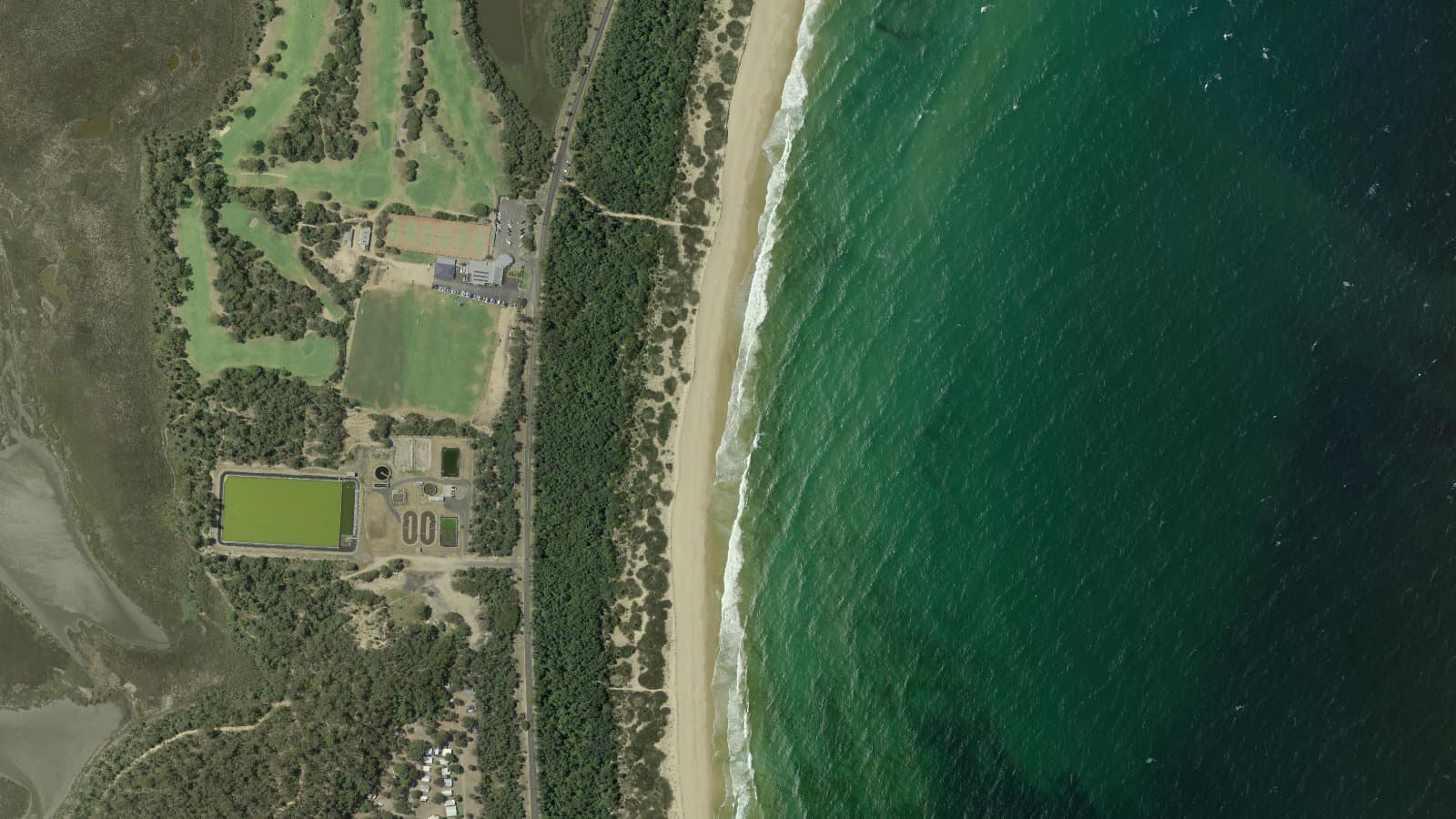
The last stretch is the one most Sydneysiders never reach, which is exactly its appeal. Tathra Beach runs long and clean below the old timber wharf, a working piece of nineteenth-century coast that now doubles as one of the better whale-watching perches on the coast. The walk out along the wharf in winter, wind off the sea, is worth the trip on its own.
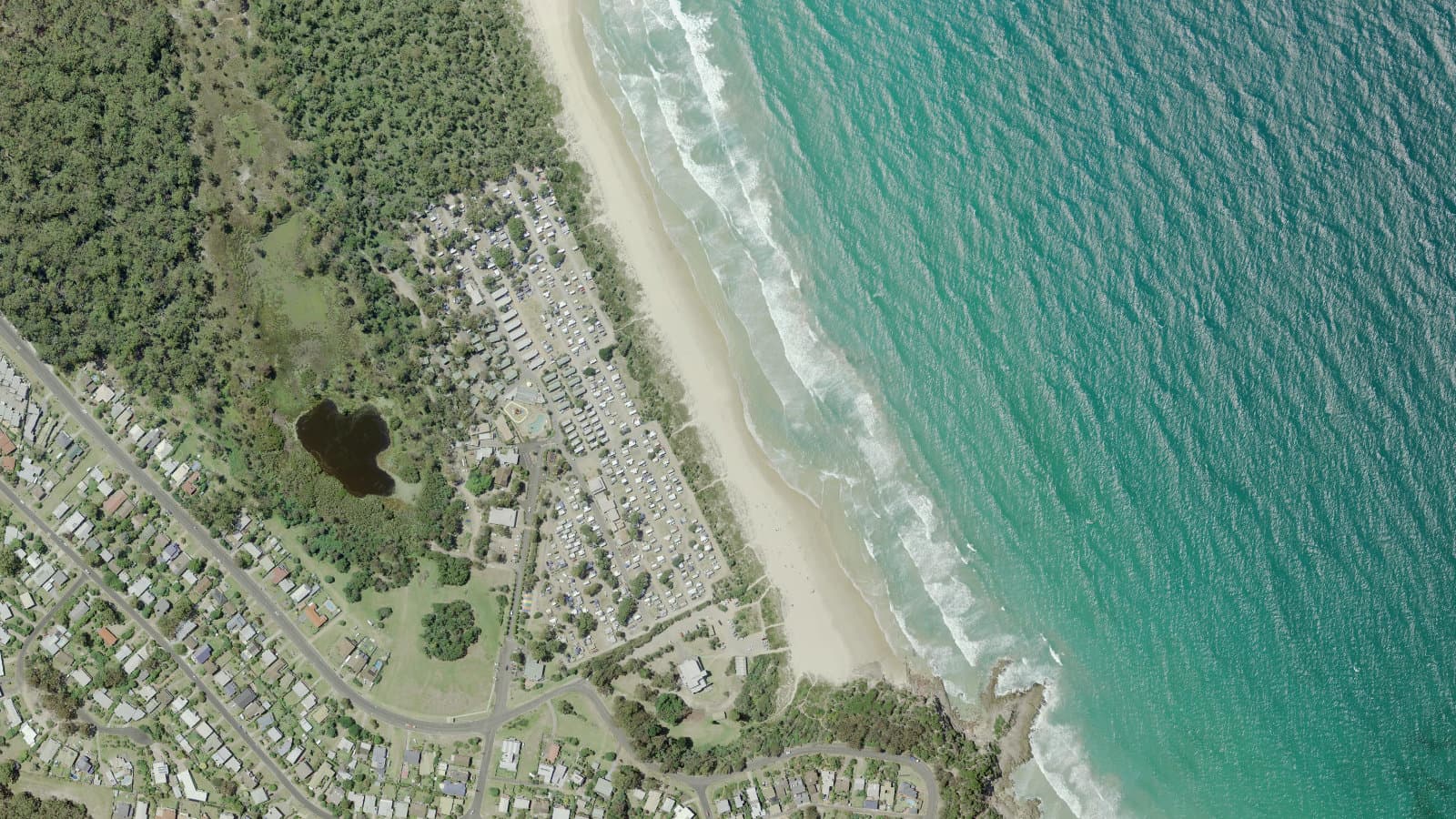
Down near the Victorian end, Pambula Beach closes things out, a sheltered stretch with a river mouth nearby and, often as not, kangaroos on the grass behind the dunes at dusk. By here you are a long way from the city and a long way from anyone else, which on a cold bright morning is the entire point.
None of this is a summer holiday, and it isn't trying to be. It's a colder, clearer, emptier version of the coast, with the water just warm enough to get into and the whole place more or less to yourself. Pick a couple of these, check the conditions the night before, and plan the drive so the bays fall in the right order. The sea will be cold. You'll get out grinning anyway.
Beaches in this guide
Mollymook Beach
Shoalhaven / Jervis Bay
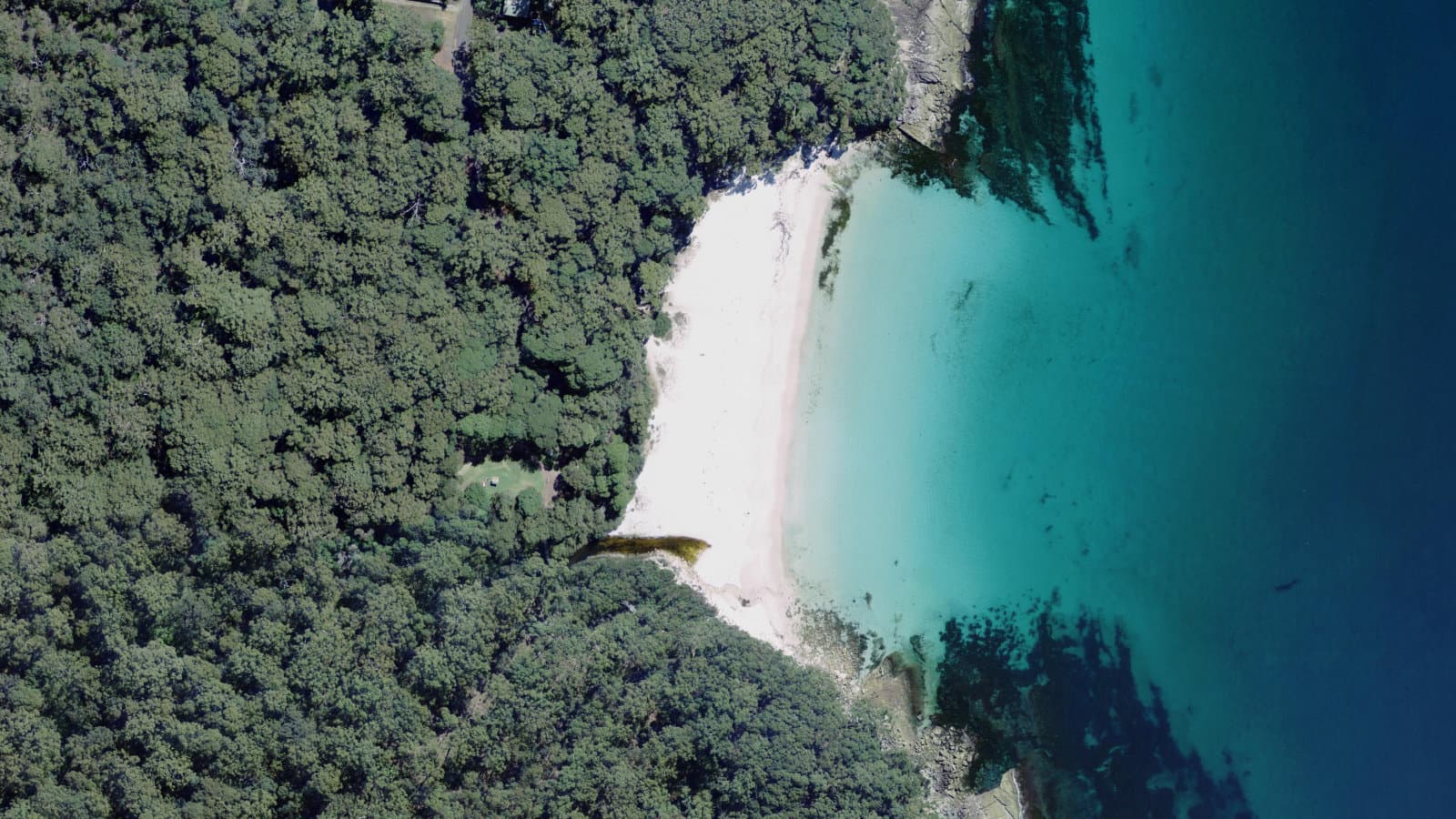
Greenfields Beach
Shoalhaven / Jervis Bay
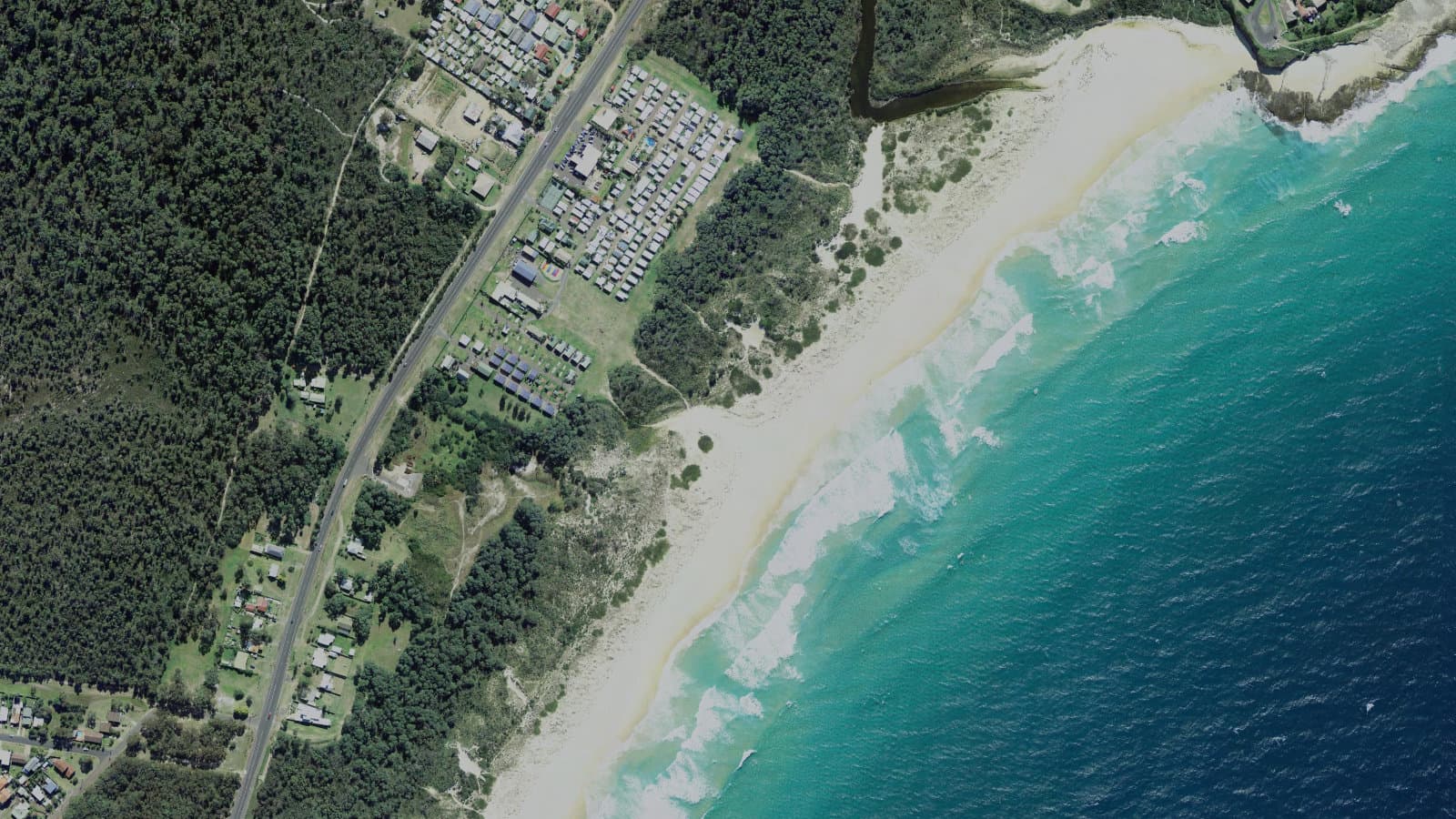
Racecourse Beach
Shoalhaven / Jervis Bay
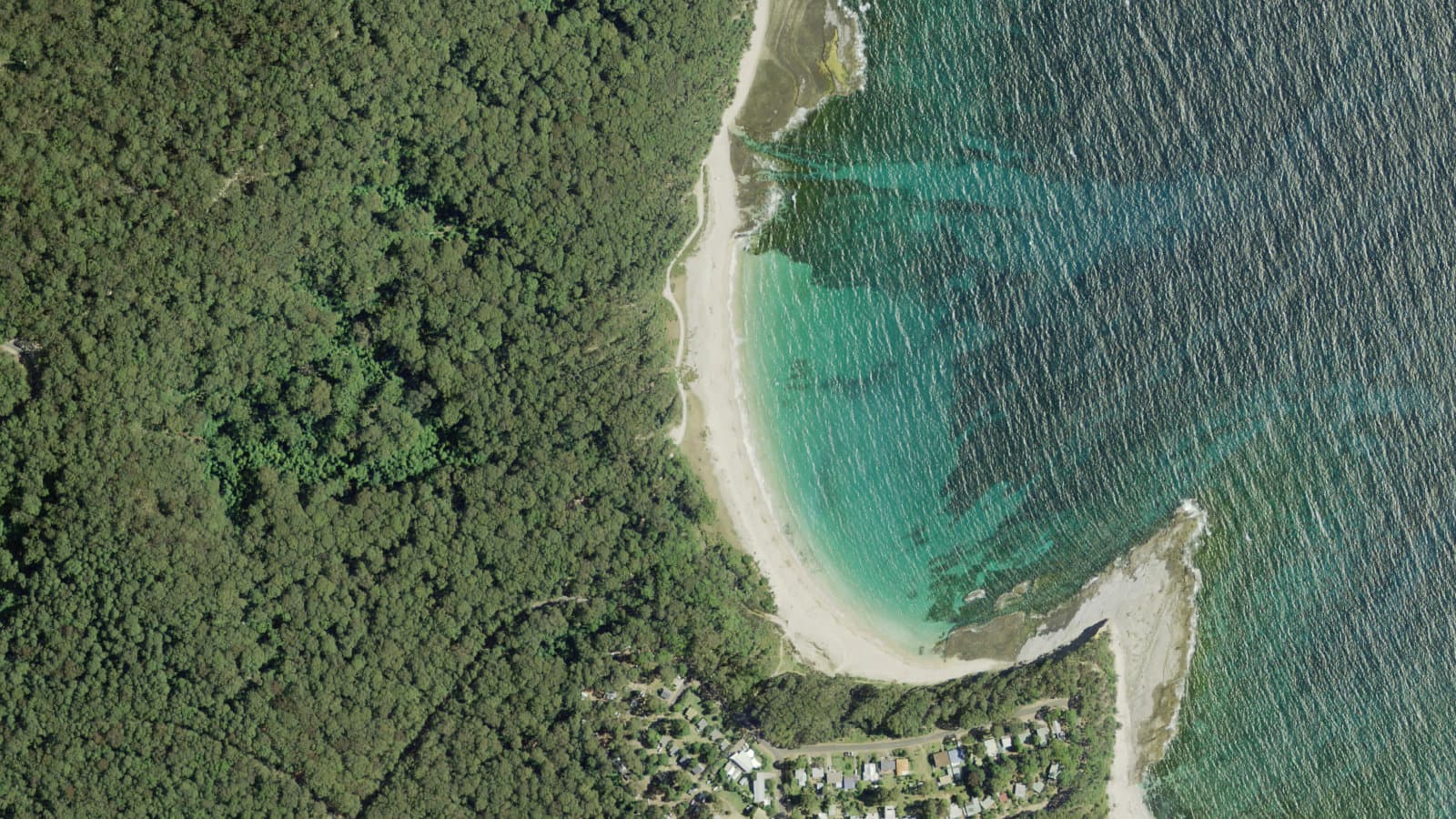
Depot Beach
Eurobodalla / Nature Coast
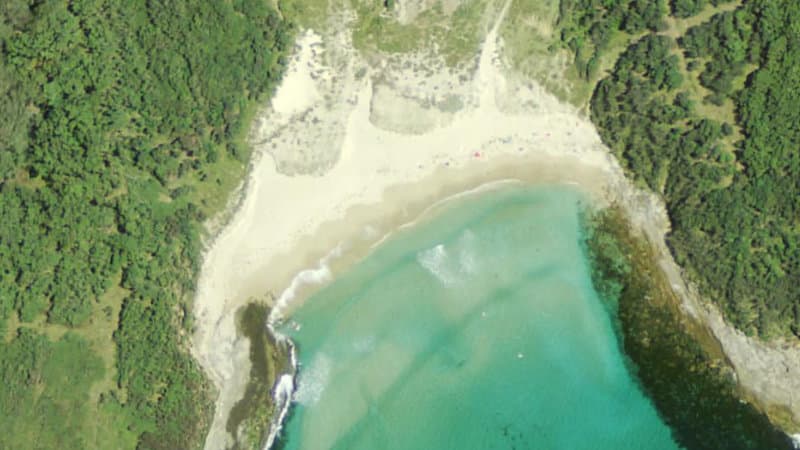
Pretty Beach
Eurobodalla / Nature Coast
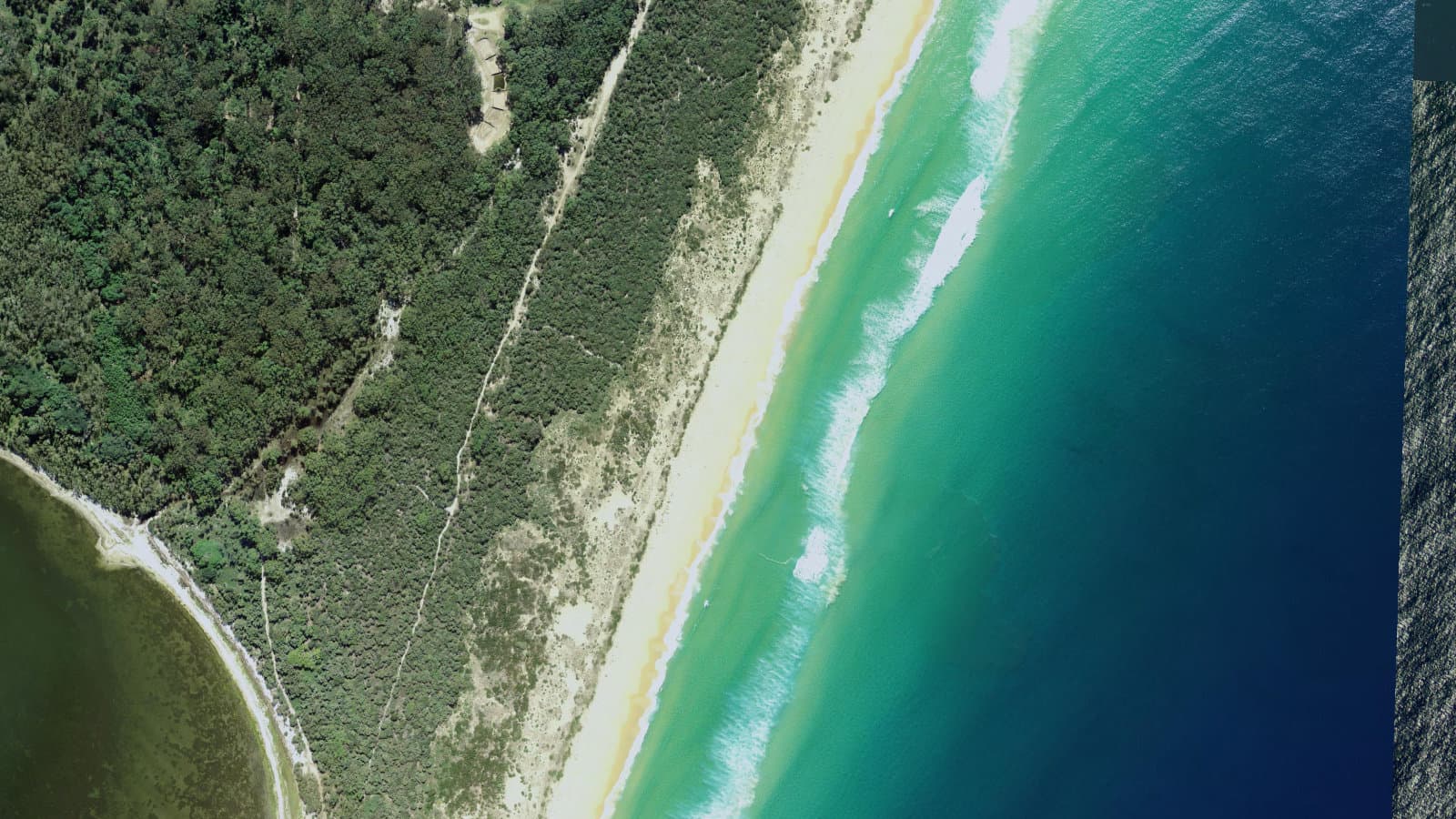
Bingie Beach
Eurobodalla / Nature Coast
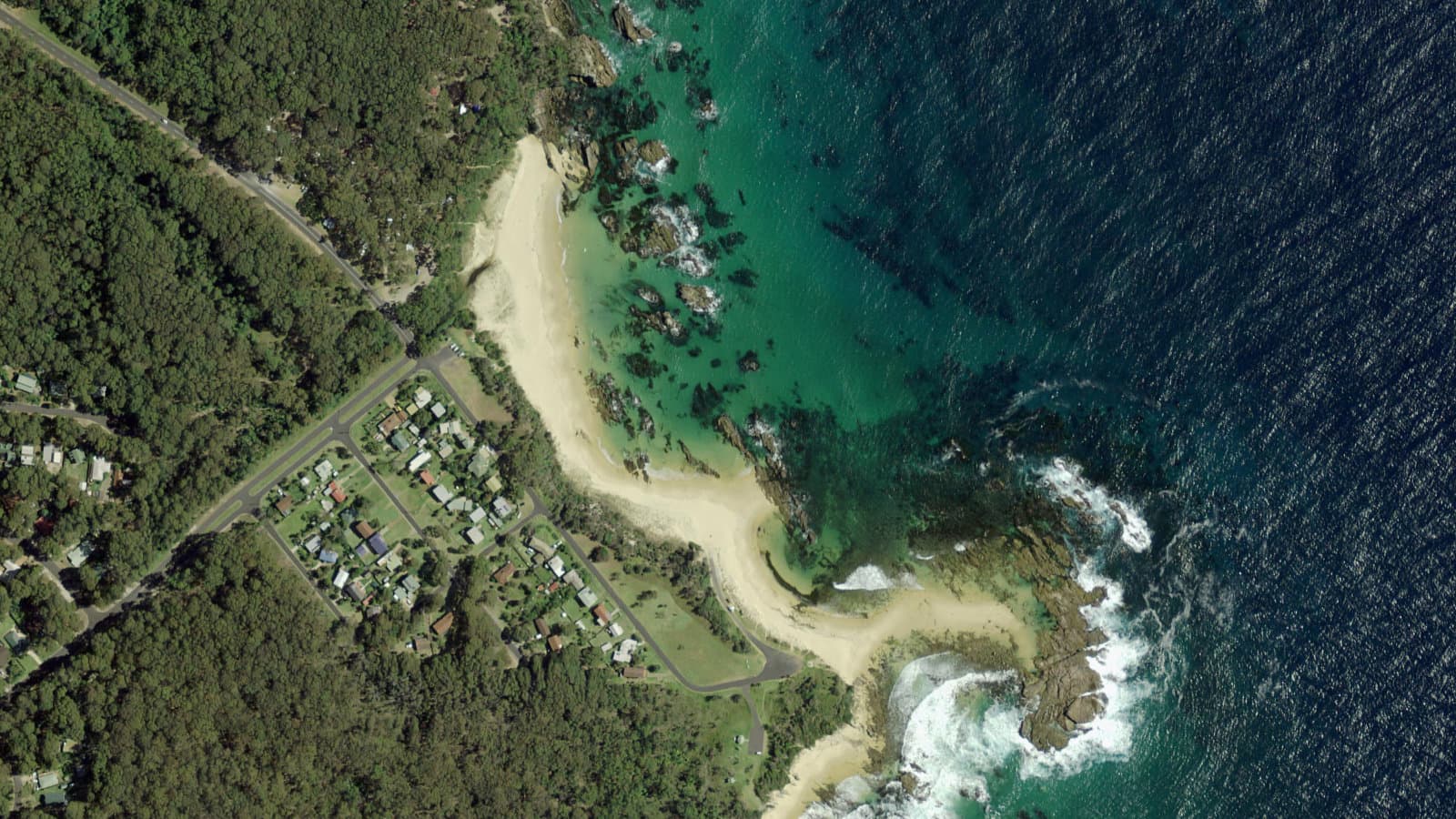
Mystery Bay Beach
Eurobodalla / Nature Coast
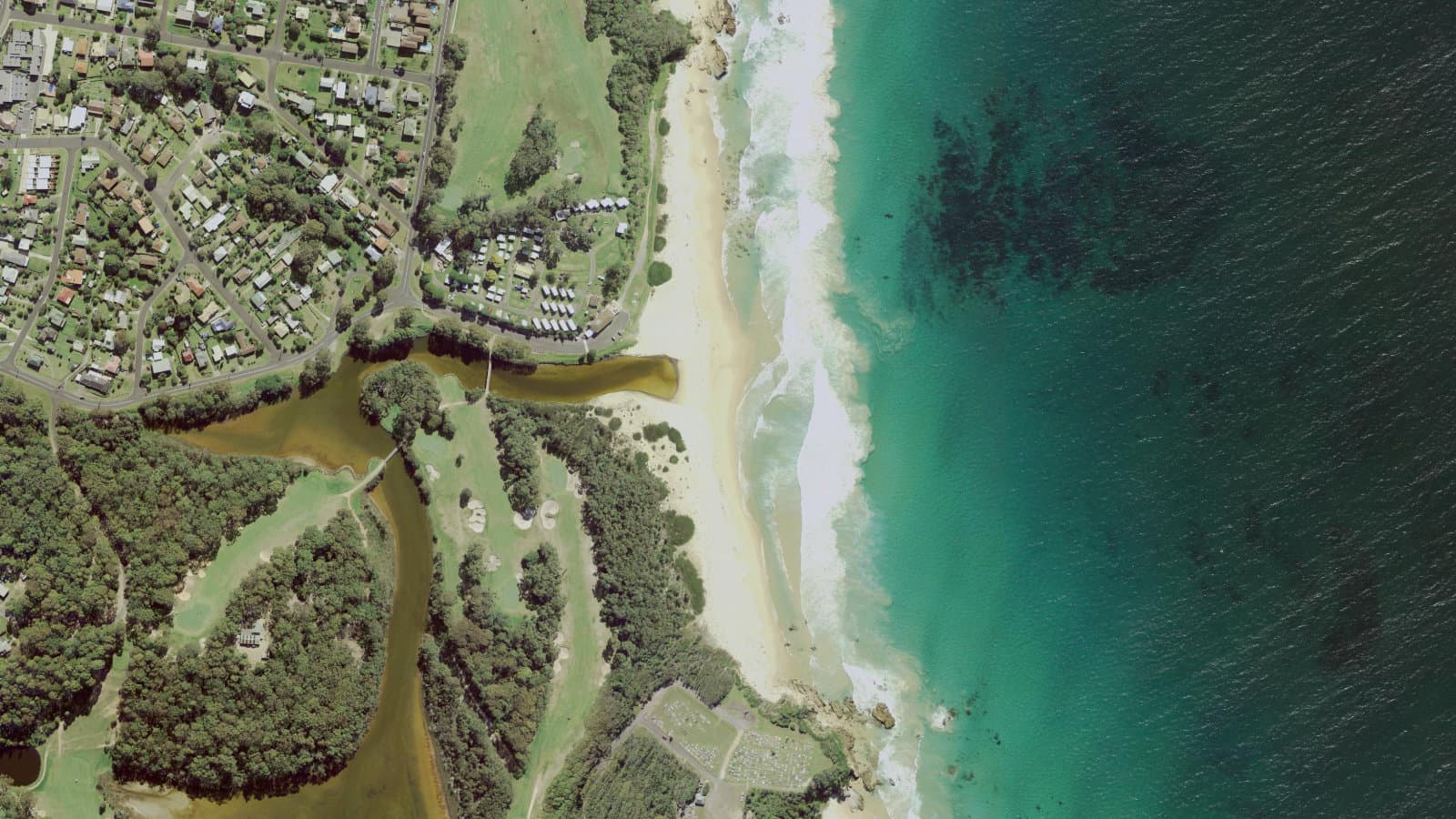
Narooma Surf Beach
Eurobodalla / Nature Coast
Tathra Beach
Far South Coast / Sapphire Coast
Pambula Beach
Far South Coast / Sapphire Coast