1 August 2026 · 4 min read
The NSW beaches worth the early alarm
Winter pushes sunrise back to a forgiving 7am, and the east-facing coast turns gold before anyone else is awake. Seven stops from Sydney to Byron worth setting the alarm for.
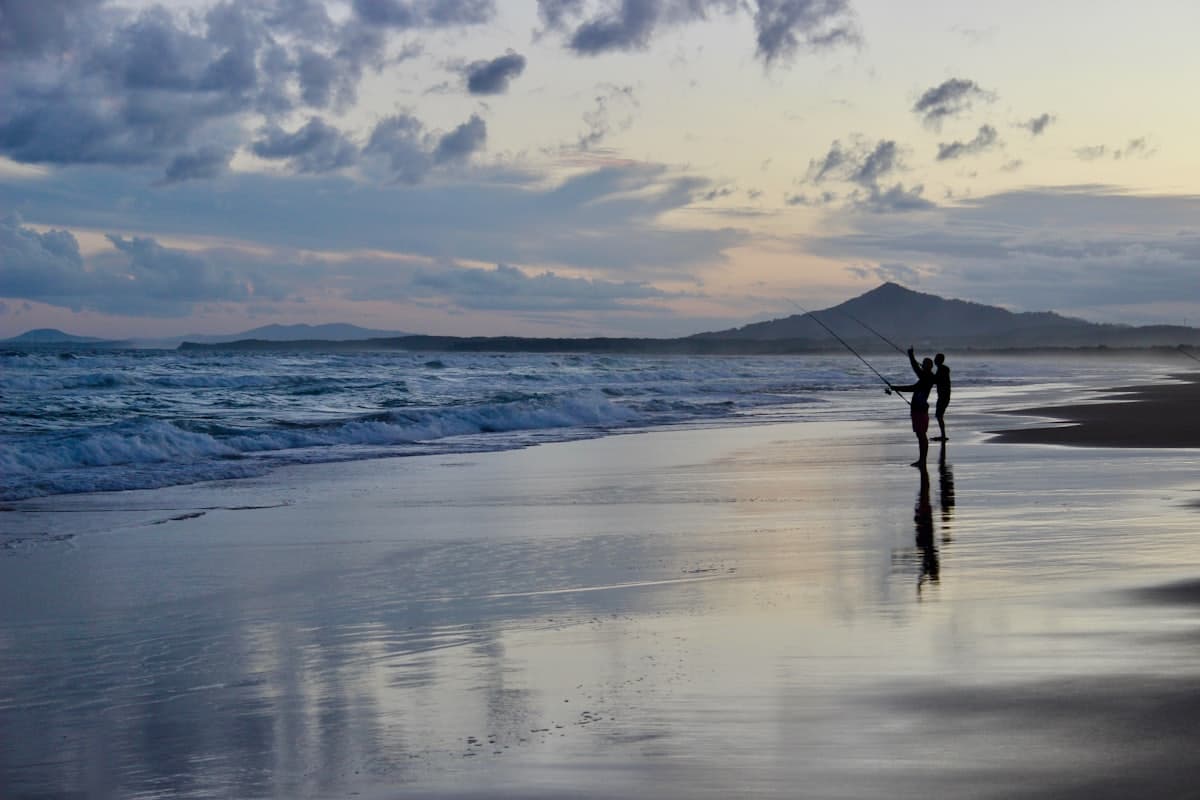
There is a version of the alarm clock that only exists in winter, and it is the good one. In January, first light on the NSW coast arrives before 5.30am, an hour that asks a lot of anyone. In July the sun itself waits until close to 7am, the sky warming for a half hour before it, at an hour that feels less like a sacrifice and more like an invitation. The coast faces almost entirely east, so most of it catches the sun straight off the water, and for a few months a year that first hour of light is available to anyone willing to get dressed in the dark and drive.
Sydney's eastern beaches
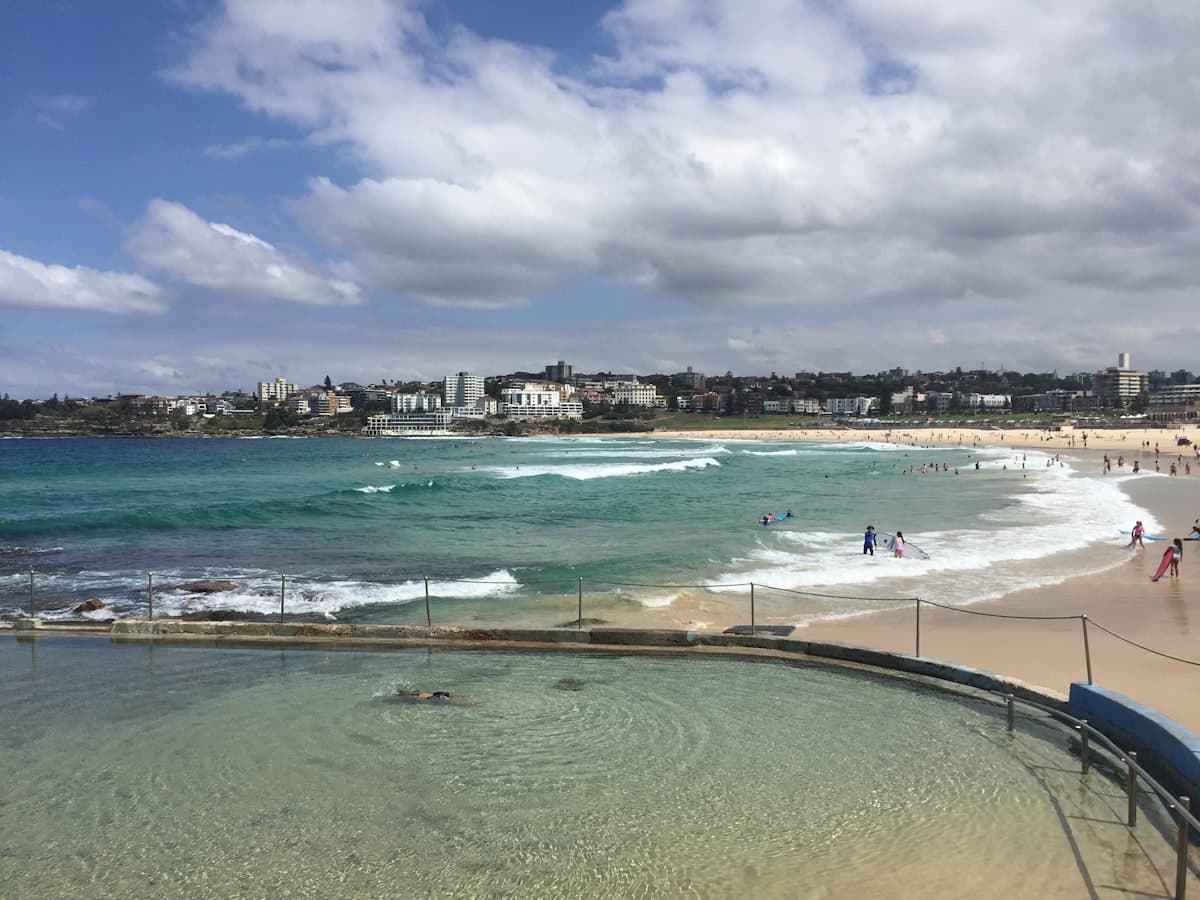
Bondi at 6.45am in winter belongs to a small, specific crowd: the swimmers heading for Icebergs before the queue forms, a few runners working the promenade, the council tractor combing yesterday out of the sand. The light comes in low and orange across the whole curve of sand, the cliffs at North Bondi catching it first, the water still holding the grey of night for another few minutes before it turns.
The clifftop path south to Bronte Beach is the better version of the same morning. It is ten minutes on foot, mostly empty, with the ocean directly below, and if you keep walking past Bronte the headstones of Waverley Cemetery catch the same low light. Bronte itself sits in a tighter, greener bowl than Bondi, the park behind the sand still shadowed while the beach is already lit. Locals treat this walk as a daily ritual, and at that hour it is easy to see why.
North to Newcastle
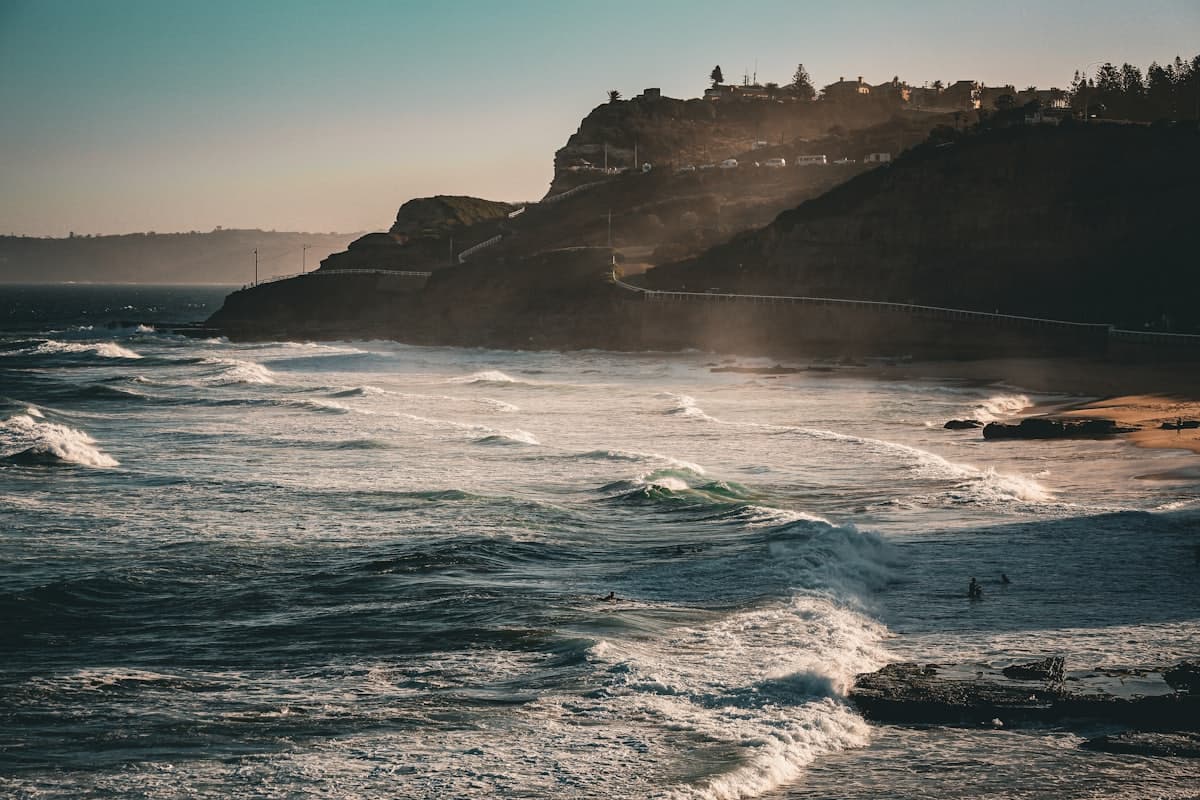
A bit over two hours up the M1, Merewether Beach fronts the southern end of Newcastle's run of surf beaches, open to the Pacific with nothing offshore to soften the first light. On a clear morning it arrives fast, the whole length of sand lit within a few minutes rather than the slow crawl you get on a more sheltered stretch.
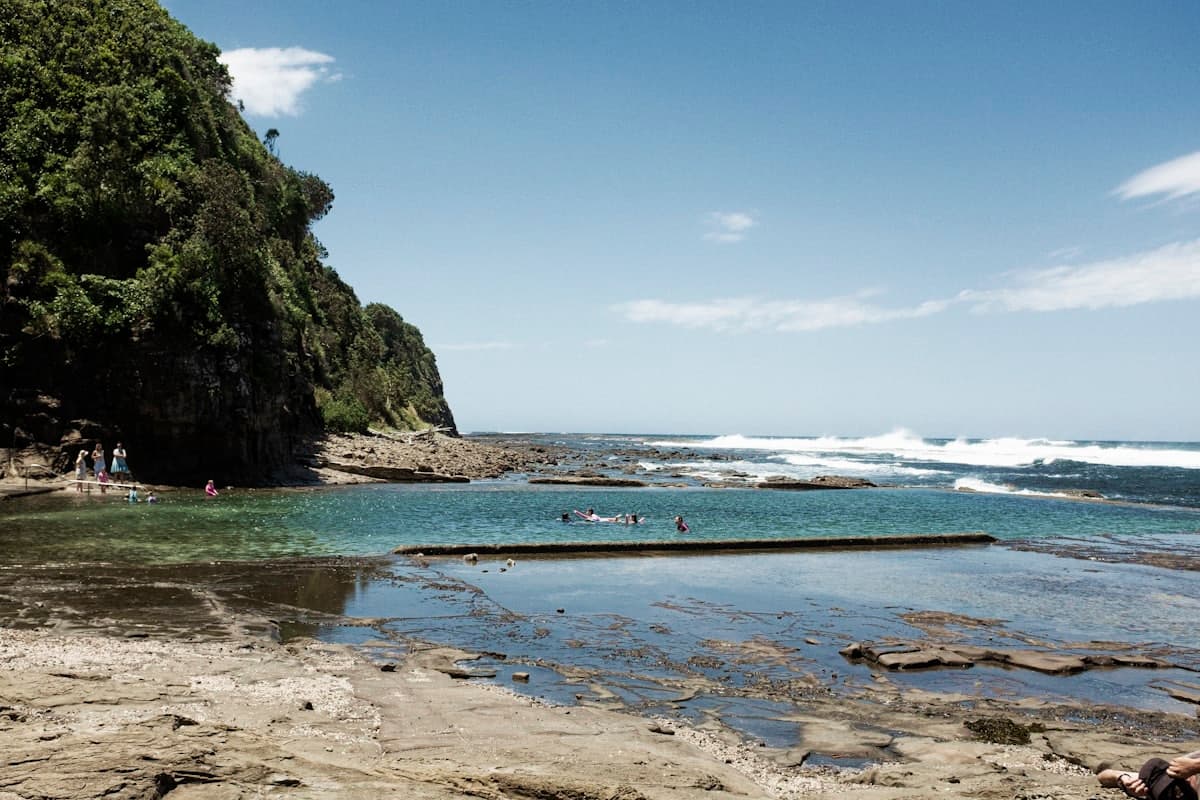
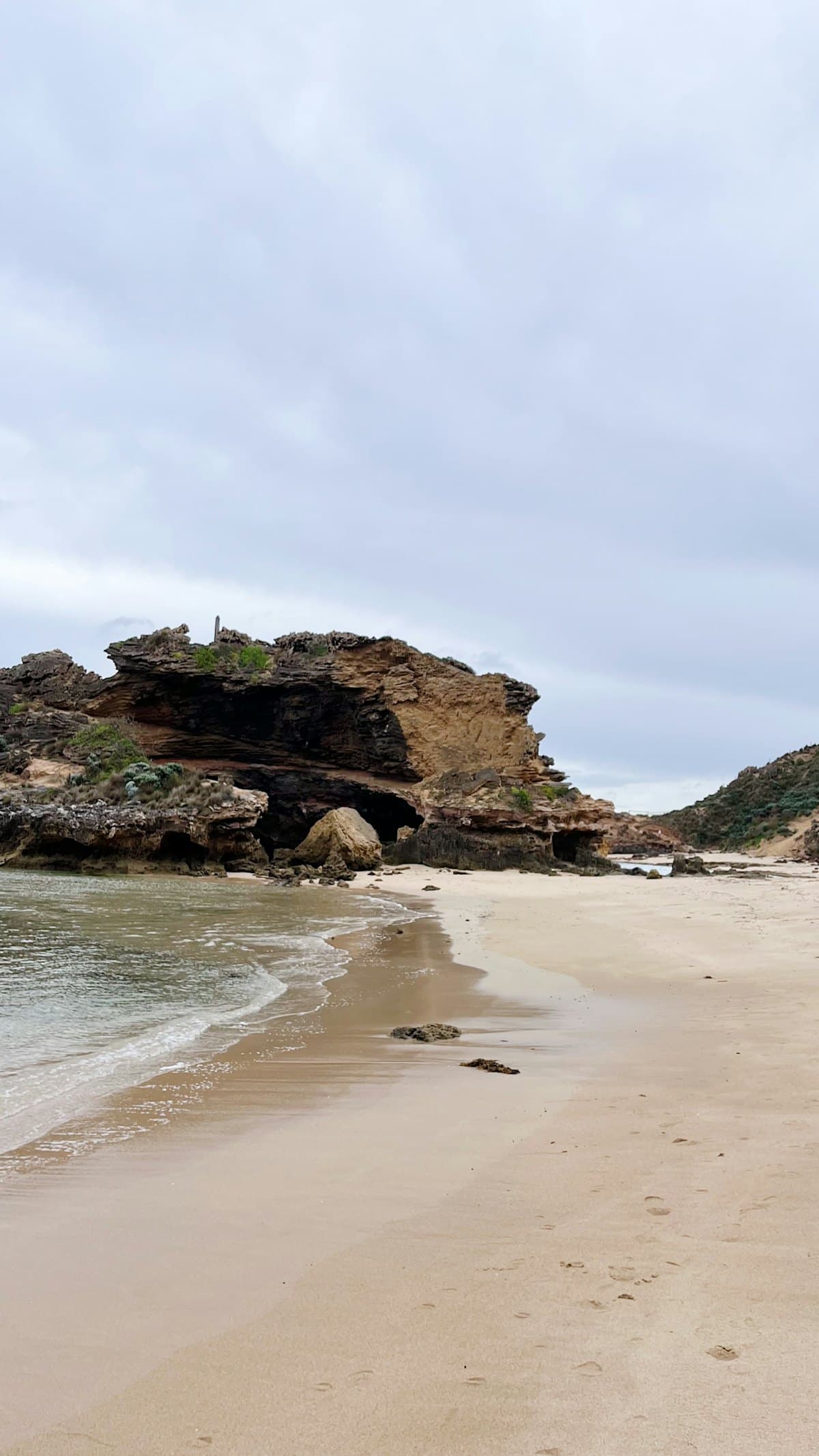
A short drive down the coast at Lake Macquarie, Caves Beach earns its name from the sea caves cut into the southern headland, visible at low tide and better lit before the day's first crowd arrives to photograph them. It is a quieter beach than Merewether on any morning, quieter again at dawn, with the kind of stillness that makes the caves feel like a discovery rather than a listed attraction.
Port Stephens, before the traffic
Stockton Beach runs for thirty-two kilometres north from Newcastle, and for most of the day that length belongs to 4WDs working the sand and the dunes behind it. At sunrise it belongs to almost no one. The dunes, among the largest moving sand systems in the Southern Hemisphere, hold the gold light longer than flat sand does, their ridgelines lit while the beach itself is still in shadow. Get there early enough and the only tracks in the sand are the ones you make.
Mid North Coast to Byron
At Crescent Head, the point break that made this town's name catches the first line of swell lit gold before the wider bay does, and the dawn patrol here is a genuine local institution rather than a phrase borrowed from a surf brand. Watching from the headland as the light moves down the point, wave by wave, is worth the trip on its own, no board required.
Further north, Tallow Beach runs seven wild, open kilometres south of Cape Byron, and it takes the sunrise straight on, no headland softening it. Most of the coast around Byron is famous for its northerly views and its sunsets over the hinterland; Tallow, facing the opposite way, is the quieter answer for anyone who wants the morning instead.
The honest bit
At that hour, take every one of these beaches as unpatrolled, whatever the season, and the water in July sits around 16 to 18 degrees, cold enough to matter. Stay close in, swim within what you can manage, and go with someone rather than alone. The reward, in exchange, is a version of the NSW coast that the same beach at noon simply does not offer: empty sand, low light, and a morning that feels earned.
Seven stops, roughly a full coastline's worth of driving, but no single trip needs all of them. Pick the closest one, set the alarm for the ugly-sounding but genuinely reasonable hour winter allows, and see what the coast looks like before anyone else does. The trip planner is there if you want to string a few of these together into a longer run north or south.