14 June 2026 · 6 min read
Where to watch whales from the shore in NSW
From May to November the NSW coast turns into a whale-watching grandstand, and you don't need a boat. The best headlands to watch from, and when to go.
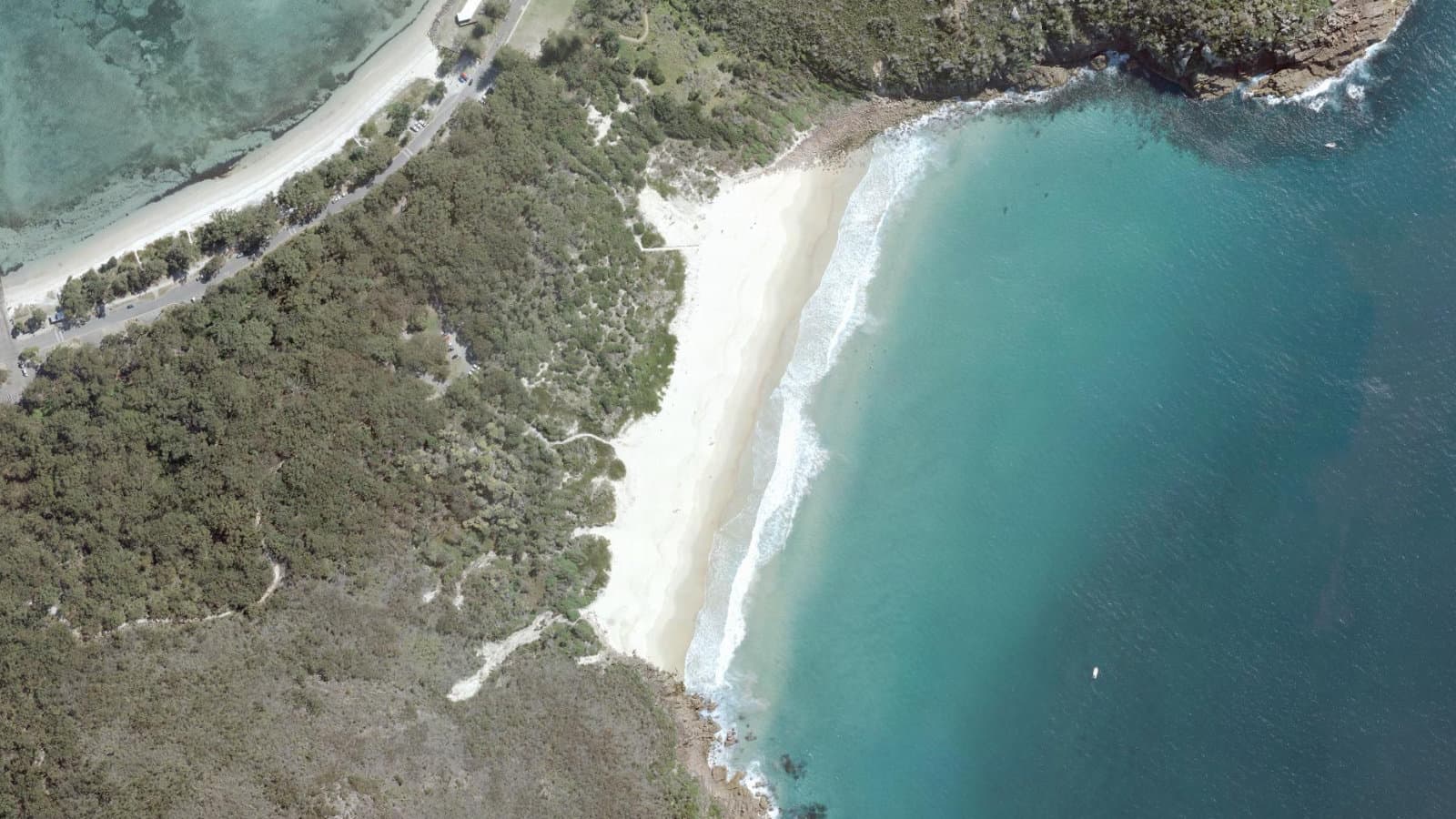
The first sign is almost always the same. A puff of white on the horizon, there and then gone, the kind of thing you talk yourself out of having seen. Then it comes again, a little closer, and below it a long dark back rolls up out of the water and slides under, and the whole headland goes quiet while everyone waits to see whether it will do that again.
You do not need a boat for this, or a ticket, or much of a plan. For roughly half the year the NSW coast is one long grandstand, and the show swims past more or less at eye level if you pick the right place to stand. The humpbacks are moving along the coast now and will keep coming through to spring. The only real skill is turning up, finding a bit of height, and being willing to wait.
The migration runs from about May to November. Through autumn and winter the whales head north to the warm breeding waters off Queensland, travelling fast and a little further out. The better watching is often on the way home. From September the same animals come back south towards the Antarctic feed, slower now and closer in, the mothers shepherding new calves so near the rocks that you can sometimes hear the blow before you see it. By then there are tens of thousands of them on the move. Generations after the whaling stopped, that recovery is the quiet good-news story of this coast.
Watching from land asks little of you and rewards patience above everything. Get some height: a headland, a lighthouse track, a clifftop reserve with the wind in your face. Pick a calm day with clean light if you can, late morning is often kind, and let your eye settle on the middle distance until something breaks it. Bring binoculars, a thermos, and more time than you think you need. Two honest notes, because the recommendation only counts with them in it. This is a wild animal in open ocean, so some mornings you will stand there and see nothing but a flat grey sea, and that is part of the deal. And the headlands that make the best platforms tend to have the cliffs to match, so stay back from the edges and behind the fences, especially with kids along and a southerly running.
The far north: Cape Byron and the Coffs coast
Start where the continent does. Wategos Beach sits in the lee of Cape Byron, the most easterly point of the mainland, which means the whales round the corner here closer than at almost anywhere else on the coast. Walk up to the lighthouse above it and you are standing at the front of the grandstand, the water falling away deep and blue on three sides. If the climb and the crowds are not your idea of a morning, the gentler Clarkes Beach just around the sand gives you the same water with an easier walk and a coffee at the end of it.
A few hours south, Coffs Harbour keeps its own lookout. The boardwalk over Muttonbird Island, the nature reserve tethered to the mainland by the harbour's long breakwall, climbs to one of the better whale platforms on this stretch of coast, with Jetty Beach tucked into the harbour at its foot. Go early, before the day breeze gets up and stipples the water and makes the blows harder to pick.
The mid north coast: Hat Head and Seal Rocks
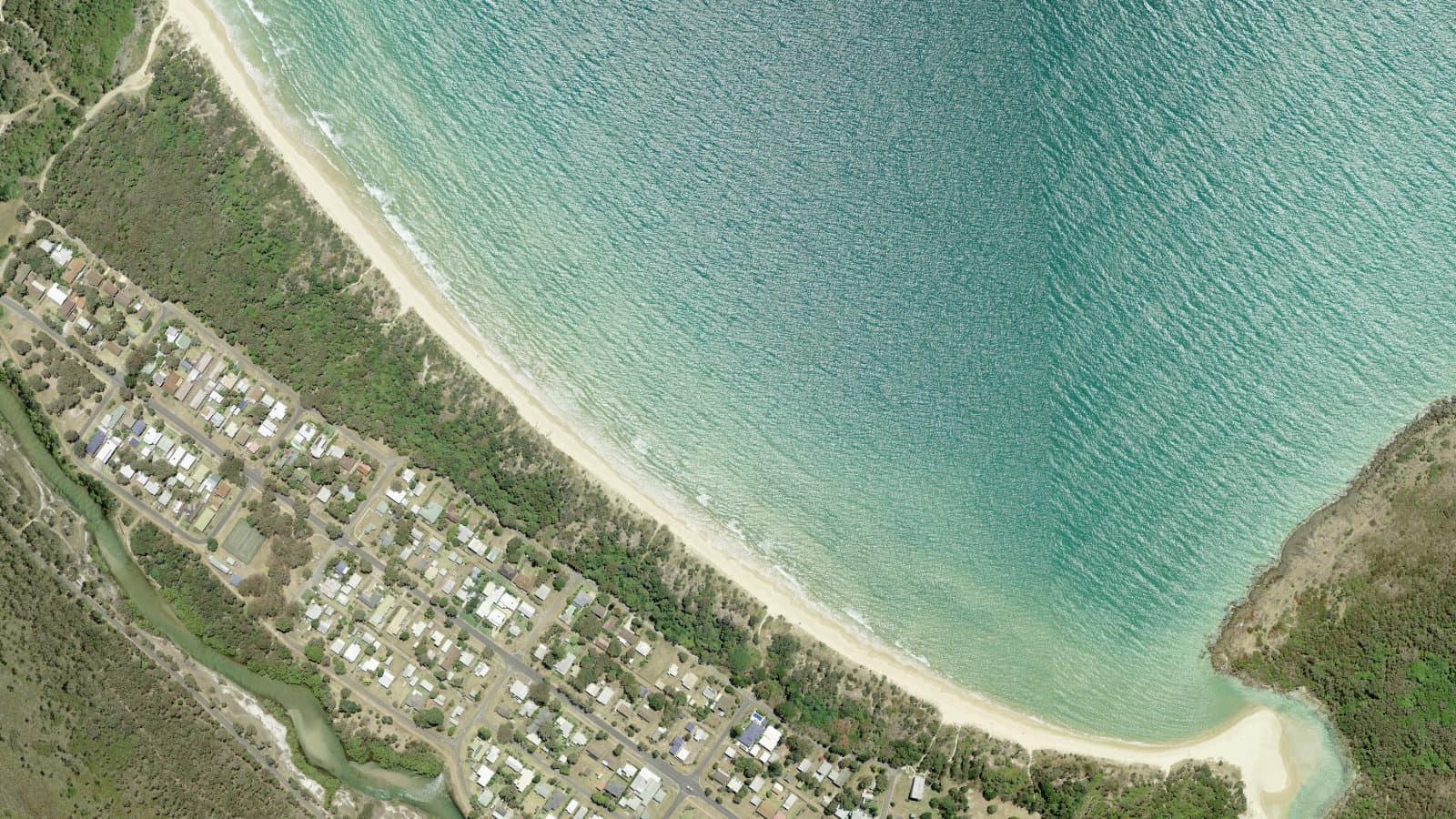
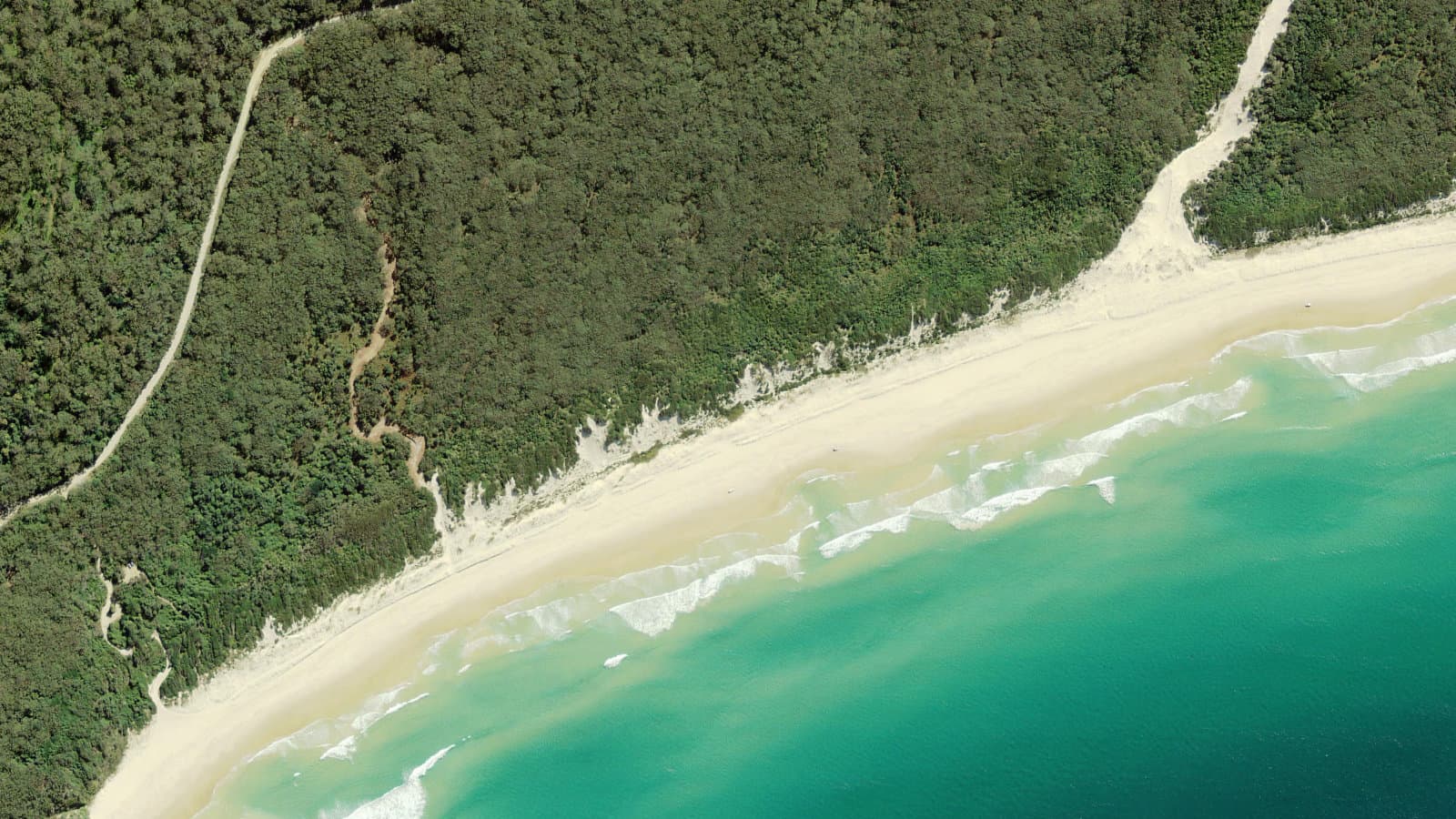
The stretch between the Macleay and the Myall is a run of headlands and lighthouses, which is to say a run of natural whale platforms. At Hat Head Beach, inside Hat Head National Park, the blunt green headland the village takes its name from stands over the sand with a path to the top and a long view north and south. Further down, the light at Seal Rocks is one of the better perches on the whole coast. Lighthouse Beach curls below Sugarloaf Point, and the short walk up to the tower puts you on a finger of land with deep water close on either side. This is a place to bring a jumper and stay an hour.
Tomaree and the Bathers Way: Port Stephens to Newcastle
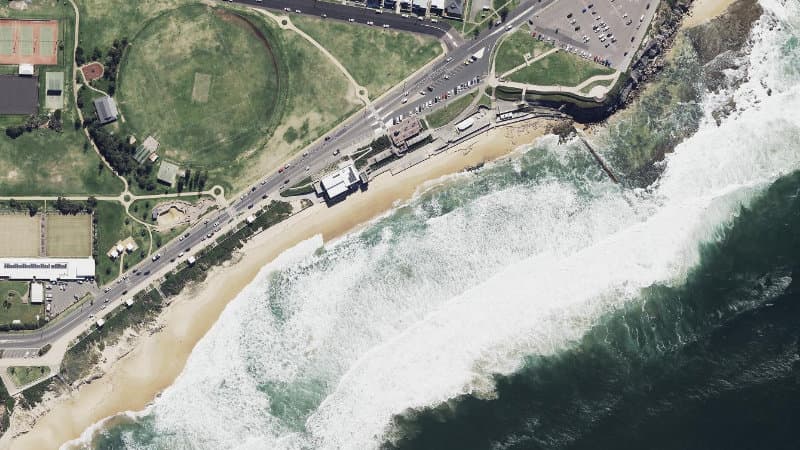
The best free seat in this part of the world might be the top of Tomaree Head, the steep knuckle of rock at the mouth of Port Stephens. The summit track is short and properly steep, and it ends with the ocean laid out below and Zenith Beach curving away beneath you, the swell lining up across it in long even lines. Whales pass close here on both legs of the trip. South again in Newcastle, the Bathers Way coastal walk threads the city's beaches together along the clifftops, and Bar Beach with the lookout above it is an easy, almost accidental place to catch a blow on the way past, no national park or summit climb required.
Sydney has a grandstand too
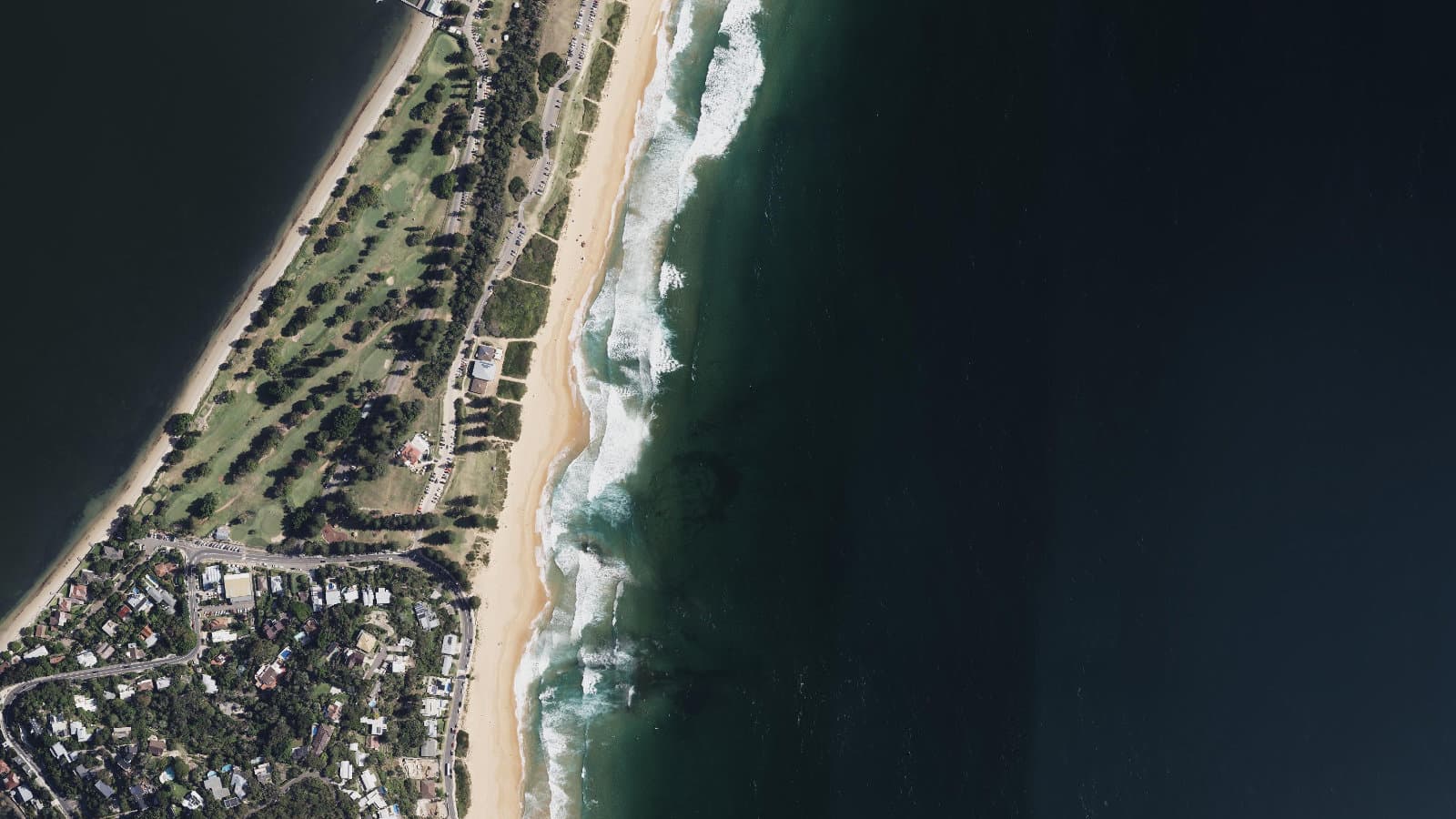
You do not have to leave the city, either. On the northern beaches, the walk out to Barrenjoey lighthouse above Palm Beach is a Sydney institution, a steepish haul to a sandstone tower with Broken Bay on one side and the open sea on the other. A little south, the headland reserve at Long Reef juts far enough out to put you almost among them, a flat grassy walk that locals pace with binoculars all through the season. And in the eastern suburbs the Bondi to Bronte coastal walk does double duty: the cliff path everyone knows for the views becomes, from June, a moving whale hide. Find a bench at the southern end and let the parade come to you.
The south coast, and Eden, the whale town
The further south you go, the more the coast seems built for this. On the Beecroft Peninsula, Currarong Beach is the last village before Point Perpendicular, the high northern head of Jervis Bay, where the cliffs drop straight to deep water and the whales track the line of them. Down on the Eurobodalla, Narooma Surf Beach looks out to Montague Island, and the headland walks around the town are a reliable spring vantage. It is the same run of coast we sent you to for a winter swim, and in whale season it earns the drive twice over.
But the place that has made whales its whole identity sits right down in the state's far south. Eden, on Twofold Bay, was a whaling town once, with a stranger history than most. For generations a pod of orcas worked the bay alongside the human whalers, herding the big baleen whales into the shallows in an arrangement the old hands called the Law of the Tongue. You can read the whole improbable story, and meet the skeleton of the orca they knew as Old Tom, at the Killer Whale Museum above Snug Cove. The killing is long over now and the watching is the industry. The town throws a whale festival each spring, and from the sand at Aslings Beach or the lookouts around the bay you can see why it bothers.
None of it runs to a timetable. The whales will be early or late, close in or far out, generous or shy, and the weather will do as it pleases. That is rather the point. Pick a headland, plan a run down the coast so the lookouts fall in the right order, and give it a morning. Somewhere out past the break, sooner or later, the sea will lift and breathe, and you will understand why the whole headland holds its breath with it.
Beaches in this guide
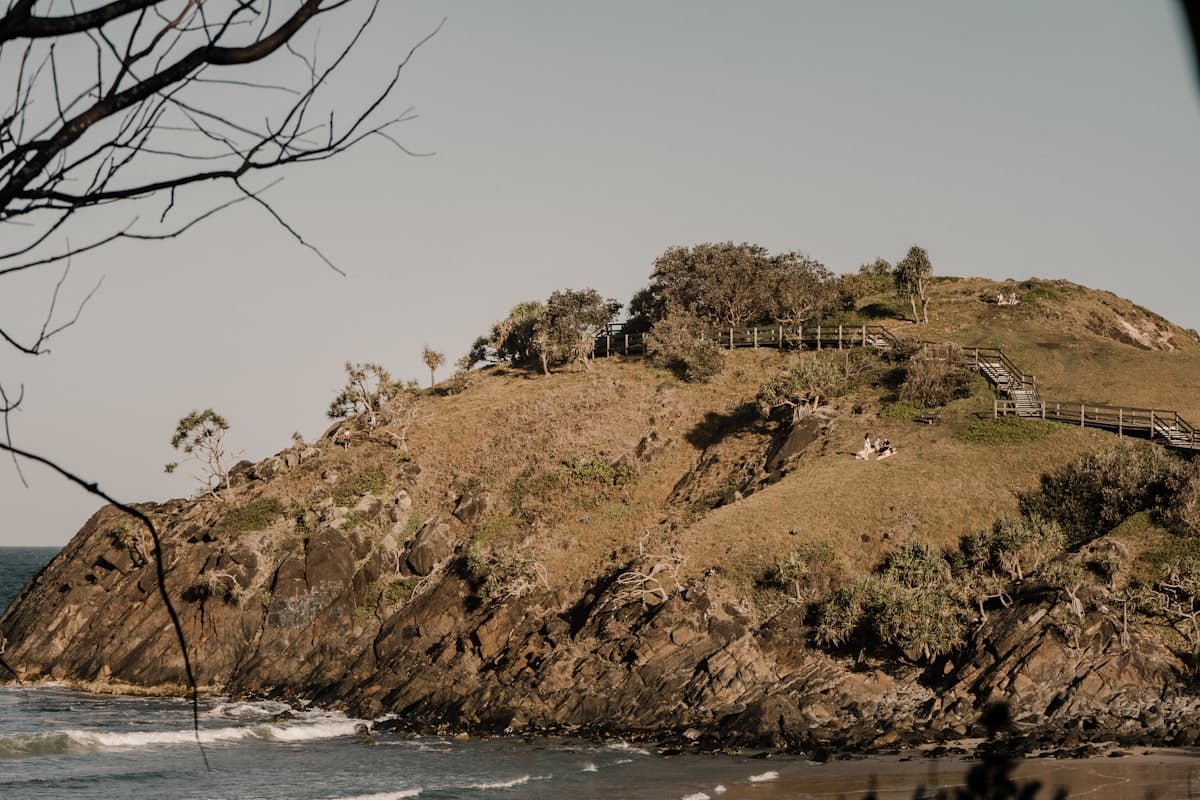
Wategos Beach
Byron Bay · Northern Rivers
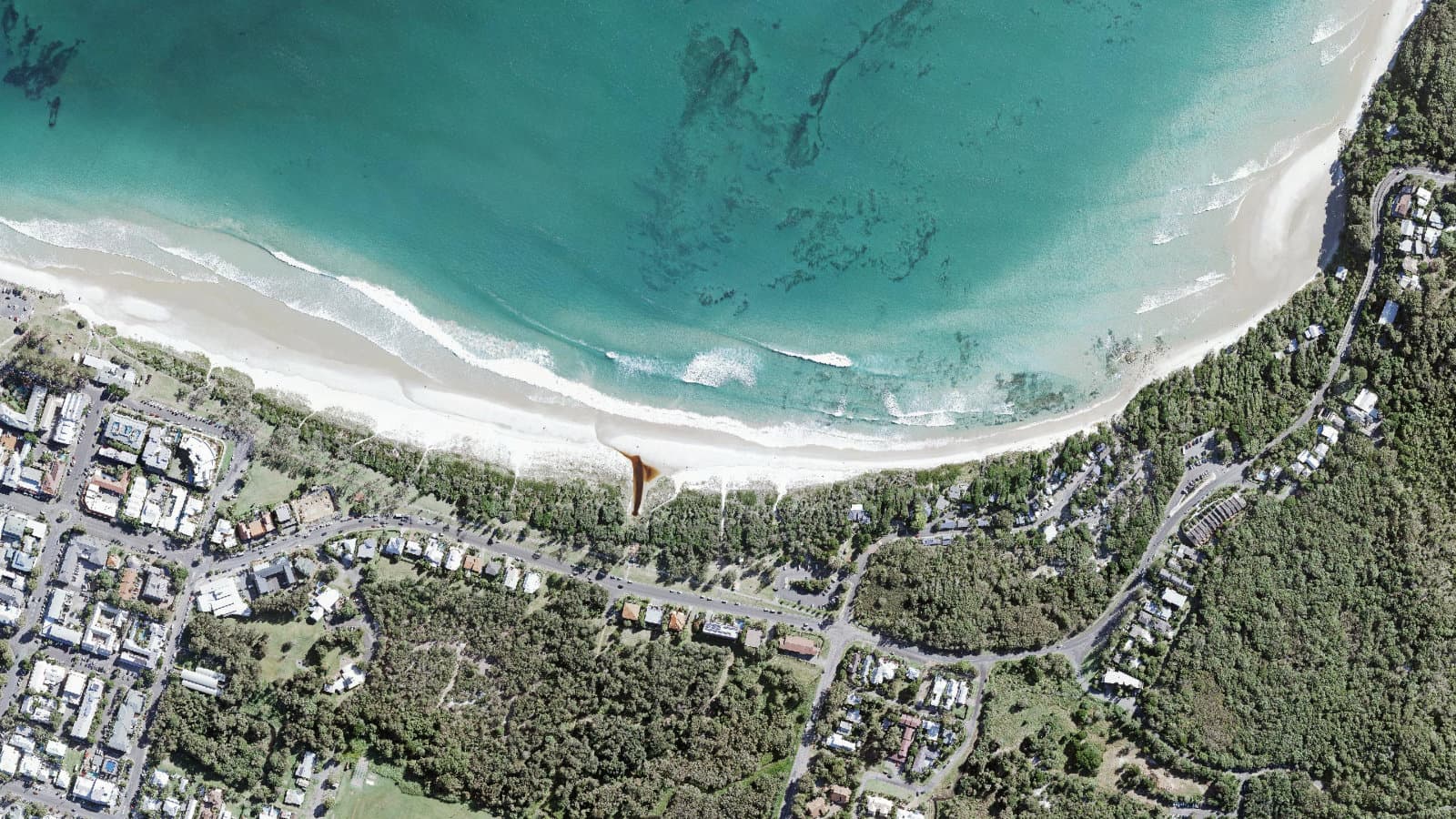
Clarkes Beach
Northern Rivers
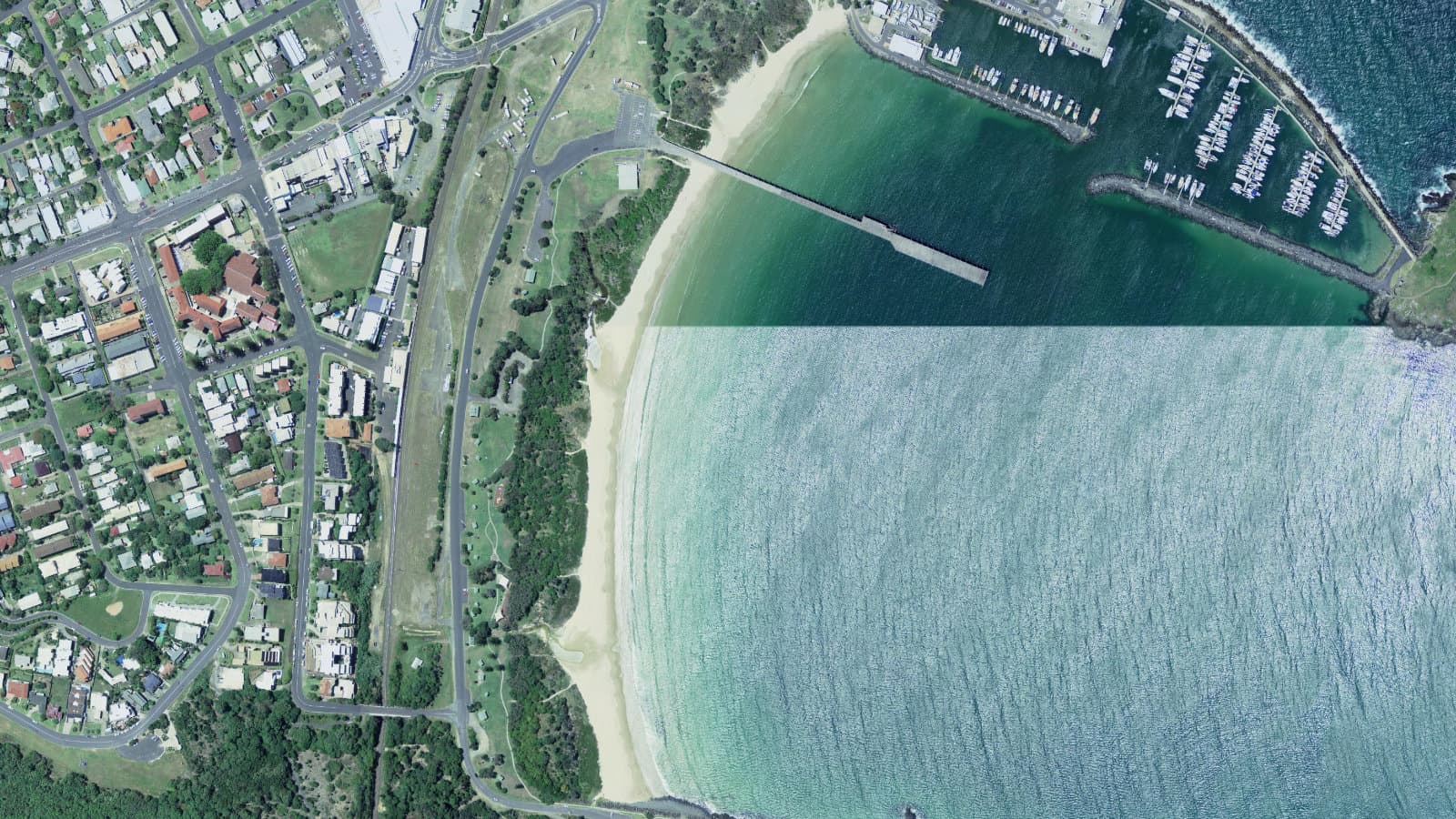
Jetty Beach
Coffs Coast
Hat Head Beach
Mid North Coast
Lighthouse Beach
Mid North Coast
Zenith Beach
Hunter / Newcastle
Bar Beach
Hunter / Newcastle
Palm Beach
Sydney
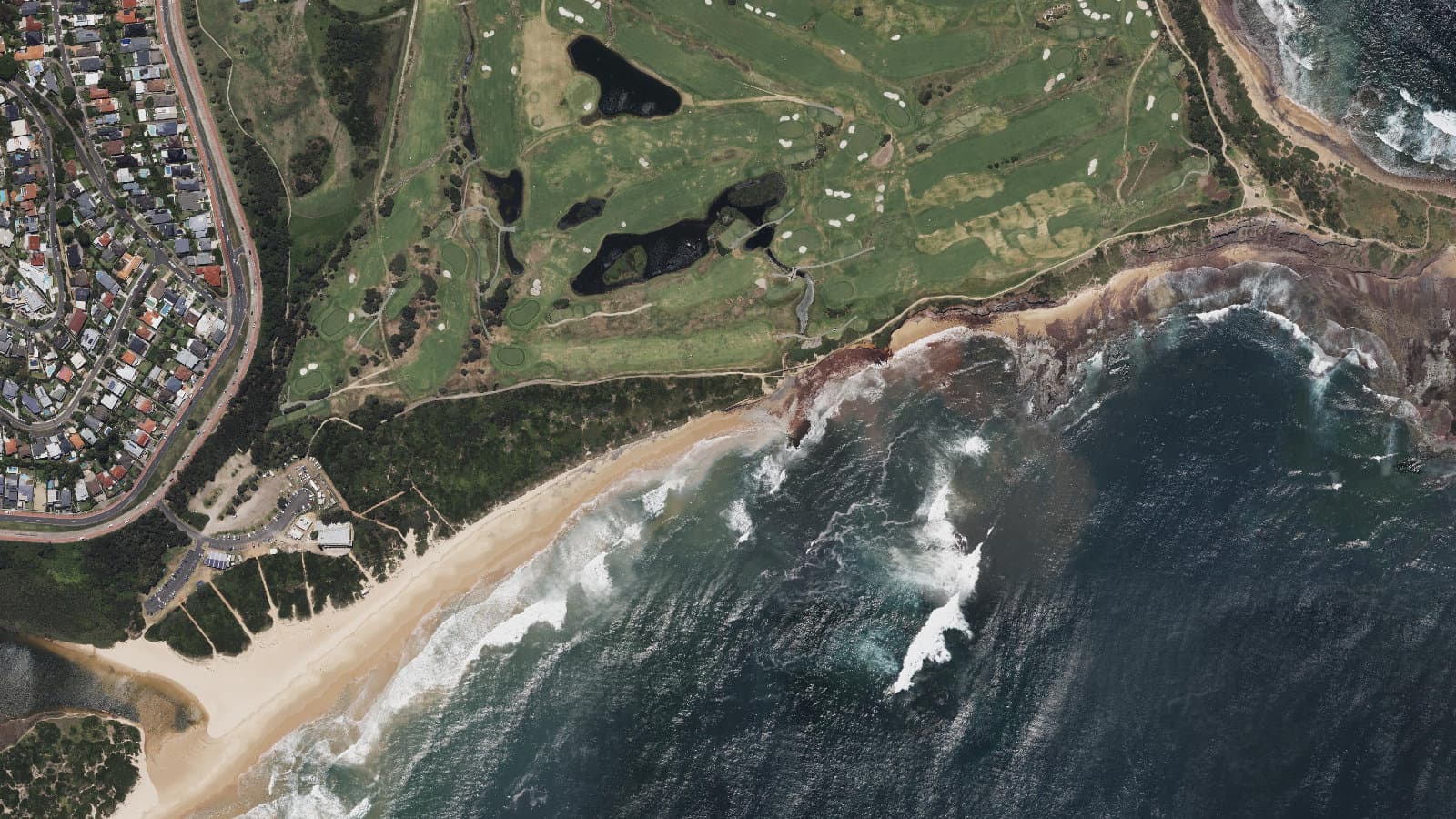
Long Reef Beach
Sydney
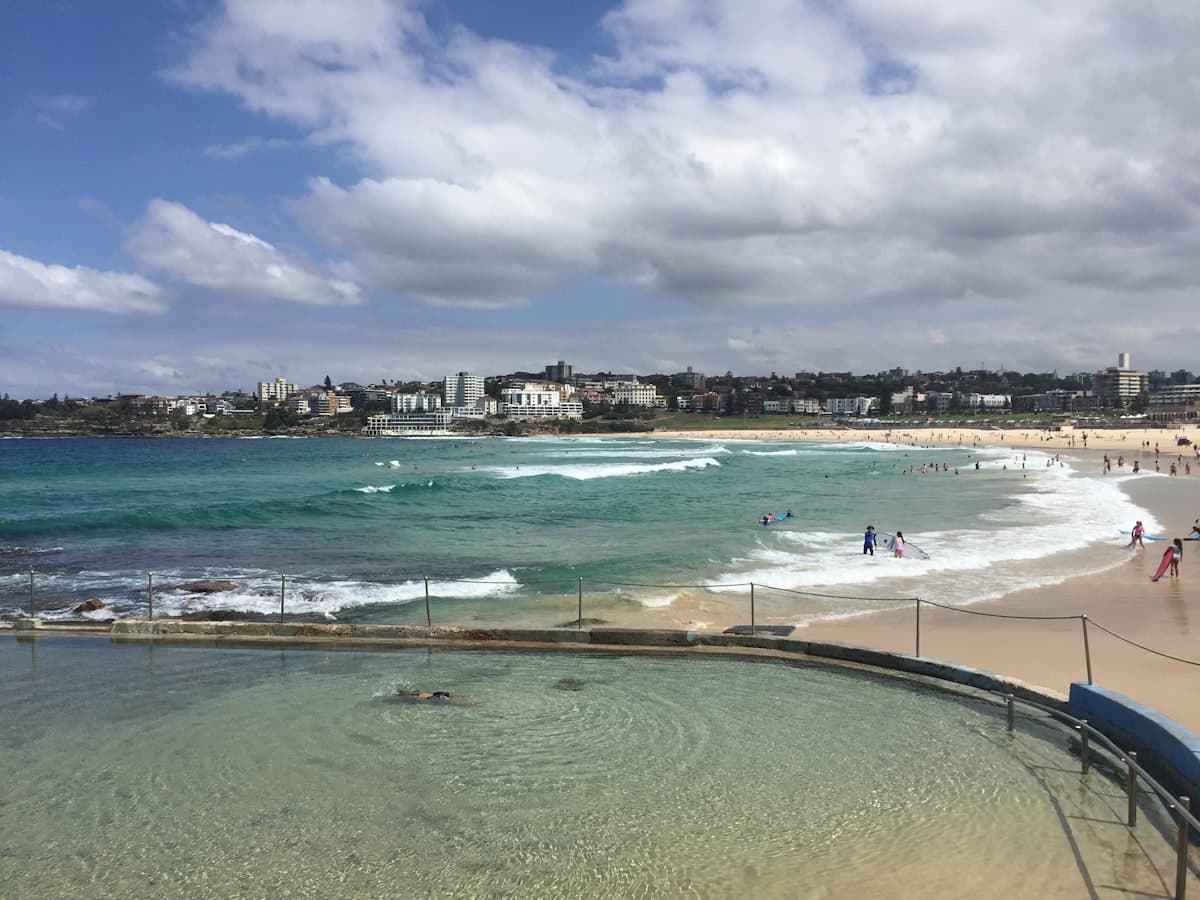
Bondi Beach
Sydney · Eastern Suburbs
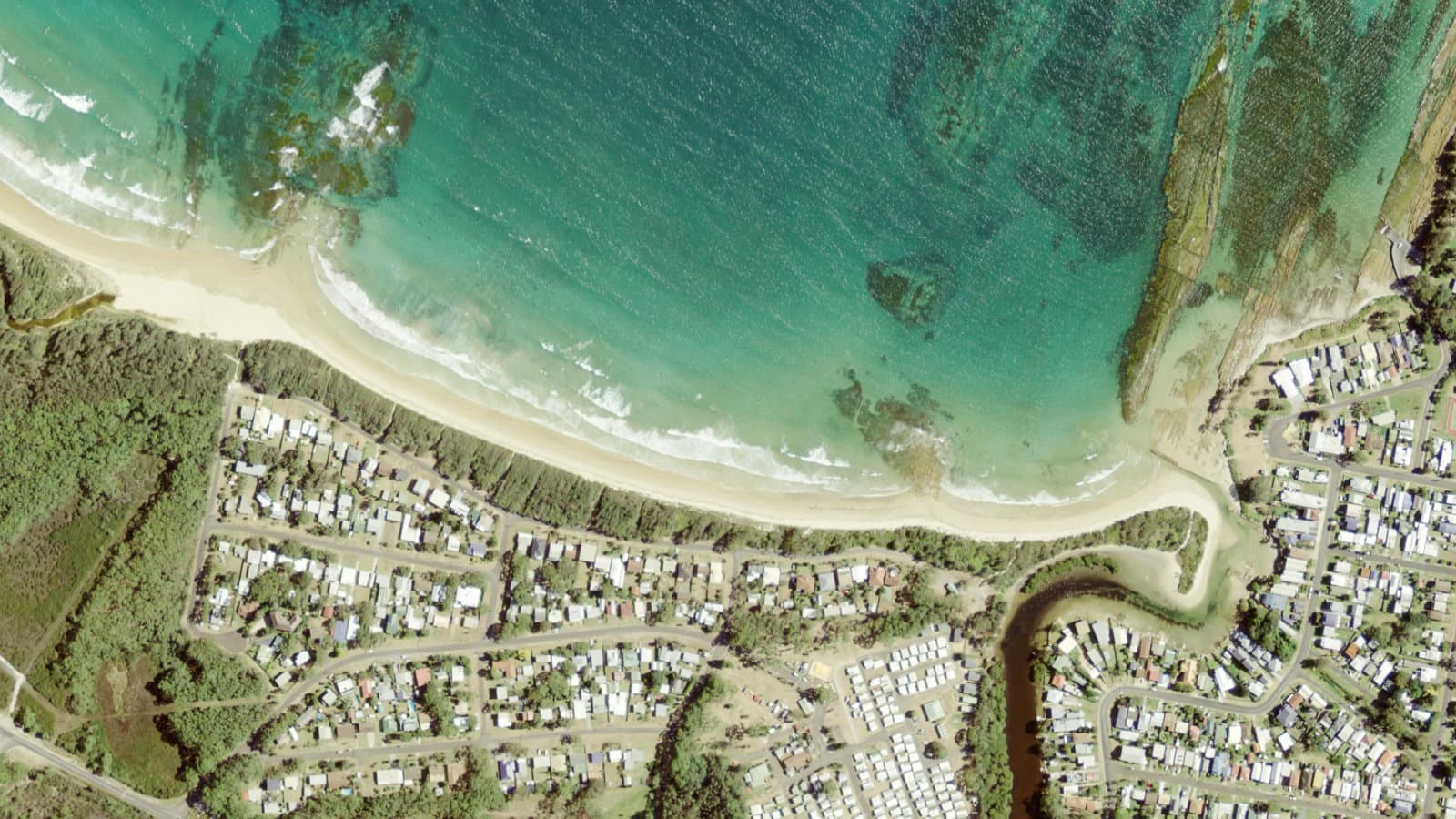
Currarong Beach
Shoalhaven / Jervis Bay
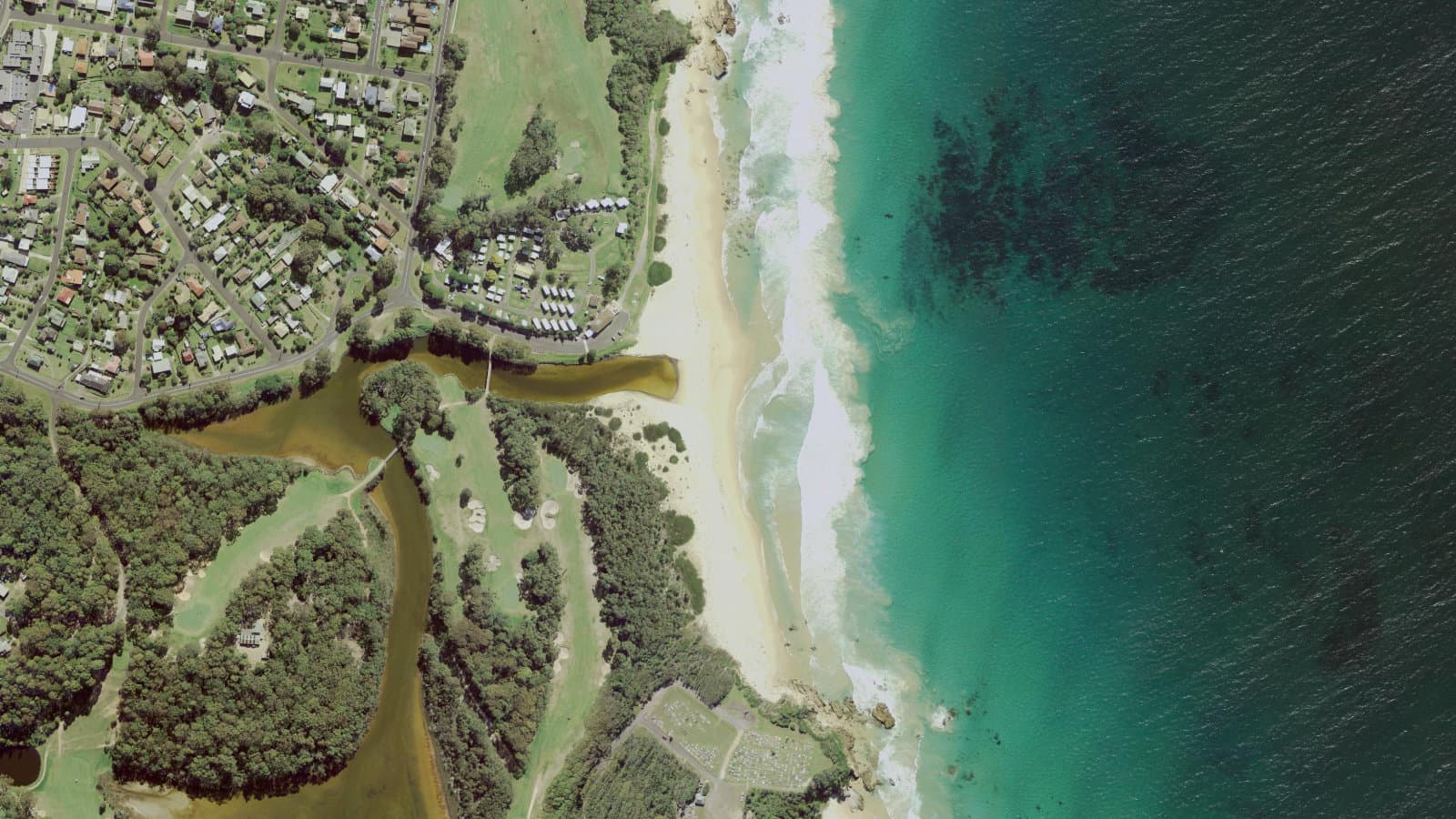
Narooma Surf Beach
Eurobodalla / Nature Coast
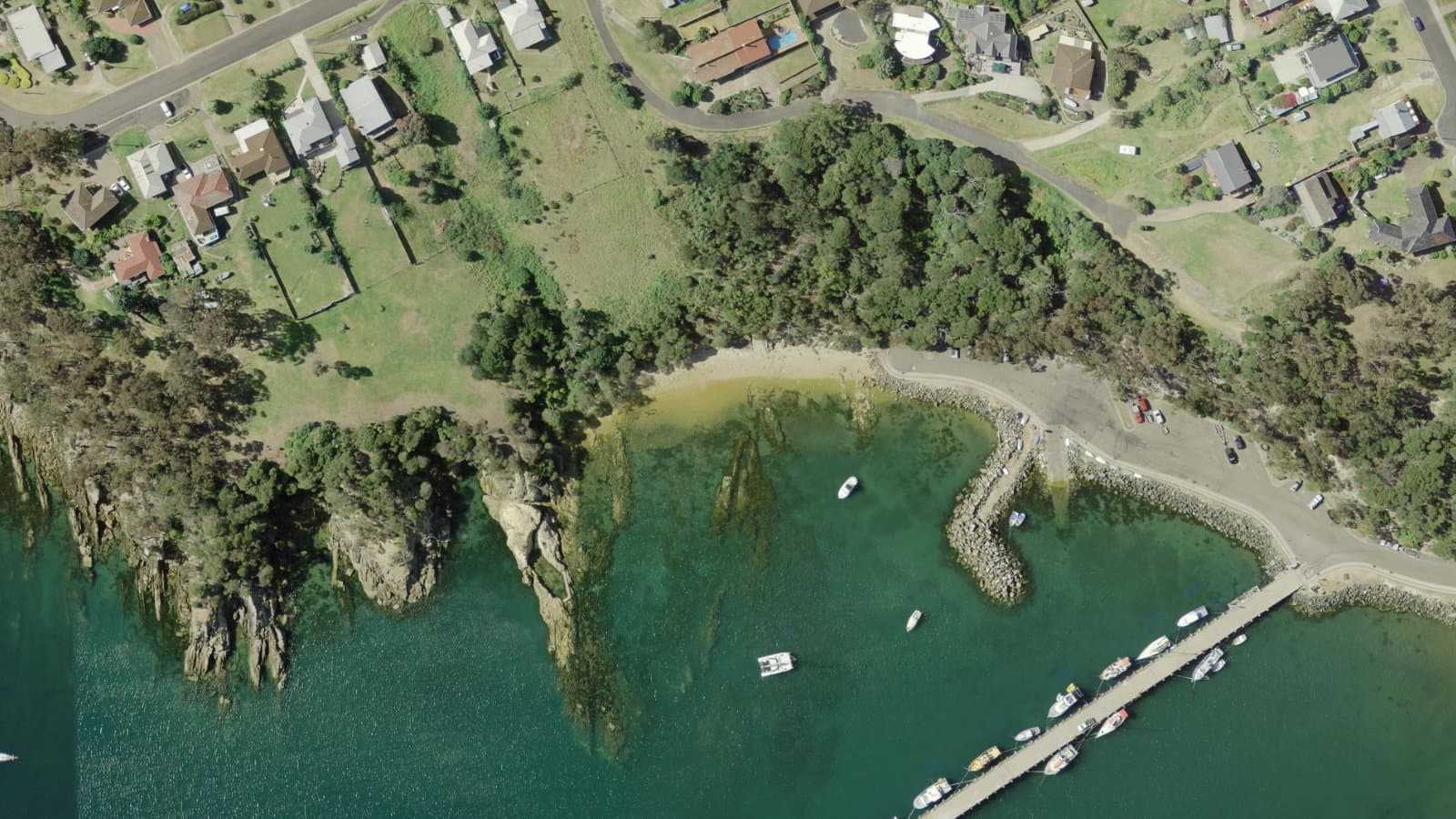
Snug Cove/Eden Harbour
Far South Coast / Sapphire Coast
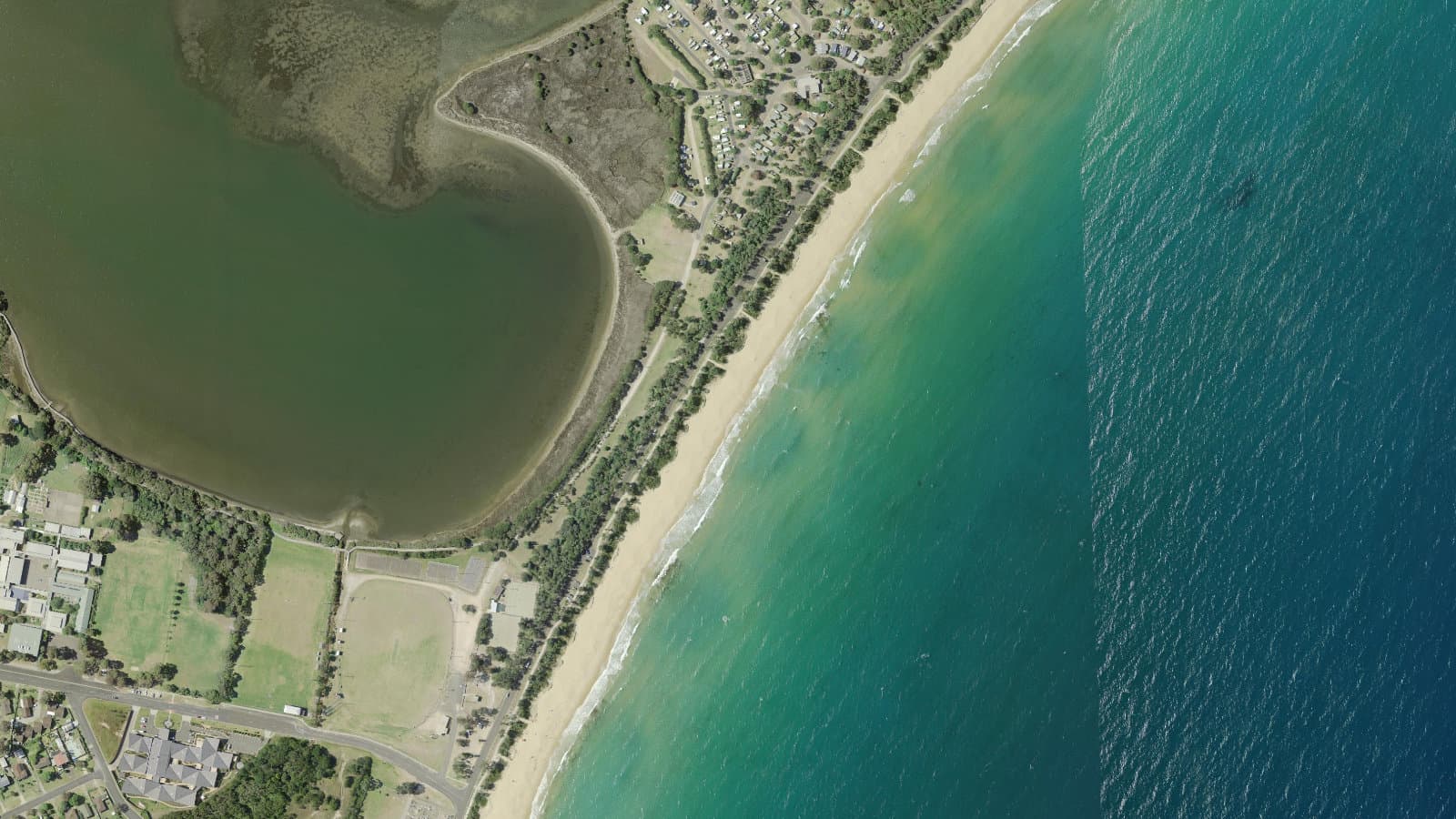
Aslings Beach
Far South Coast / Sapphire Coast